
If you own a car, you know how important it is to keep it running smoothly. One key part of car maintenance is changing the oil filter.
But you might be wondering, how much does it actually cost to change your oil filter? Knowing this can help you avoid surprises and keep your car in top shape without breaking the bank. You’ll discover the real costs involved, what affects the price, and tips to save money.
Keep reading to make sure you get the best value for your car’s care.
Cost Factors For Oil Filter Change
Understanding the cost factors for an oil filter change helps plan your car maintenance budget. Several elements affect the price. Knowing these can save money and avoid surprises. Costs vary based on the car type, filter quality, labor, and service choice.
Price Variations By Car Model
Different car models need different oil filters. Luxury cars usually require expensive filters. Common cars use standard, cheaper filters. Some models need special filters, adding to the cost. Always check the filter type made for your car.
Types Of Oil Filters
Oil filters come in basic, premium, and synthetic types. Basic filters cost less but may not last long. Premium filters offer better protection and last longer. Synthetic filters cost the most and provide top performance. The filter type impacts the total price.
Labor Charges Explained
Labor costs depend on the service location. Dealerships often charge more than local shops. Labor time varies by car complexity. Simple jobs take less time and cost less. Always ask for a labor estimate before service.
Diy Vs Professional Service
Changing the oil filter yourself saves labor costs. It needs tools and basic knowledge. Mistakes can cause damage or leaks. Professional service costs more but ensures proper work. Choose based on your skill and comfort level.
Average Price Range In 2025
The average price for changing an oil filter in 2025 varies based on the type of filter used. Prices depend on quality, brand, and car model. Knowing the cost helps you budget for regular car maintenance.
Budget Options
Budget oil filters usually cost between $5 and $15. These filters work well for basic car models. They offer decent protection but may not last as long. Ideal for drivers on a tight budget.
Mid-range Choices
Mid-range oil filters range from $15 to $30. These filters provide better filtration and durability. They fit most cars and offer reliable engine protection. A good balance between price and quality.
Premium Filters Cost
Premium oil filters cost $30 or more. These filters use advanced materials for superior engine care. They last longer and handle tough driving conditions. Best for high-performance or luxury vehicles.
Where To Buy Oil Filters
Finding the right place to buy an oil filter is important for your car’s health. Quality and price both matter. You want a filter that fits your car and works well. There are several places to get oil filters. Each option has its benefits and drawbacks.
Local Auto Shops
Local auto shops often carry popular oil filter brands. You can see the product before buying. Staff can help you find the correct filter for your car. Prices are usually reasonable. Supporting local businesses helps the community. Plus, you get advice from people who know cars.
Online Retailers
Online stores offer a wide selection of oil filters. You can compare prices easily. Many sites have customer reviews to guide your choice. Shopping online saves time and effort. Delivery is usually fast and convenient. Be sure to check compatibility with your vehicle before buying.
Car Dealerships
Car dealerships sell oil filters made for your specific car model. These parts meet manufacturer standards. They may cost more than other sources. Dealerships offer filters that ensure perfect fit and quality. This option is best for drivers who want original parts. Service centers at dealerships can also install the filter for you.
Credit: agirlsguidetocars.com
Signs You Need An Oil Filter Change
Knowing the signs that your car needs an oil filter change helps protect the engine. The oil filter traps dirt and debris, keeping the engine clean. A clogged or dirty filter reduces oil flow and harms engine parts. Watch for these signs to keep your car running smoothly.
Engine Performance Issues
Your car may run rough or lose power if the oil filter is bad. The engine might make strange noises or hesitate during acceleration. These problems happen because the oil cannot flow well. Changing the oil filter fixes this and improves engine performance.
Oil Quality And Color
Check the oil on the dipstick. Clean oil is amber or light brown. Dark, thick, or dirty oil means the filter is not working well. Old oil clogs the engine and reduces its life. Replace the oil filter to keep the oil clean and fresh.
Mileage Recommendations
Most cars need an oil filter change every 3,000 to 7,500 miles. Follow your car’s manual for exact numbers. Some newer cars allow longer intervals. Regular changes keep the engine healthy and prevent costly repairs. Do not wait too long to change the oil filter.
Steps To Change Oil Filter Yourself
Changing an oil filter yourself saves money. Start by draining old oil, removing the filter, and fitting a new one. Costs usually range from $10 to $30 for the filter alone.
Tools Required
Gather all tools before starting. You need an oil filter wrench, a drain pan, a socket set, and a new oil filter. Also, get some rags and gloves to keep clean. Have fresh engine oil ready for refilling after the filter change.
Safety Precautions
Work on a flat surface and turn off the engine. Let the car cool down to avoid burns. Use gloves to protect your hands from hot oil and sharp edges. Keep a fire extinguisher nearby just in case. Always secure the car with wheel chocks or stands for safety.
Step-by-step Guide
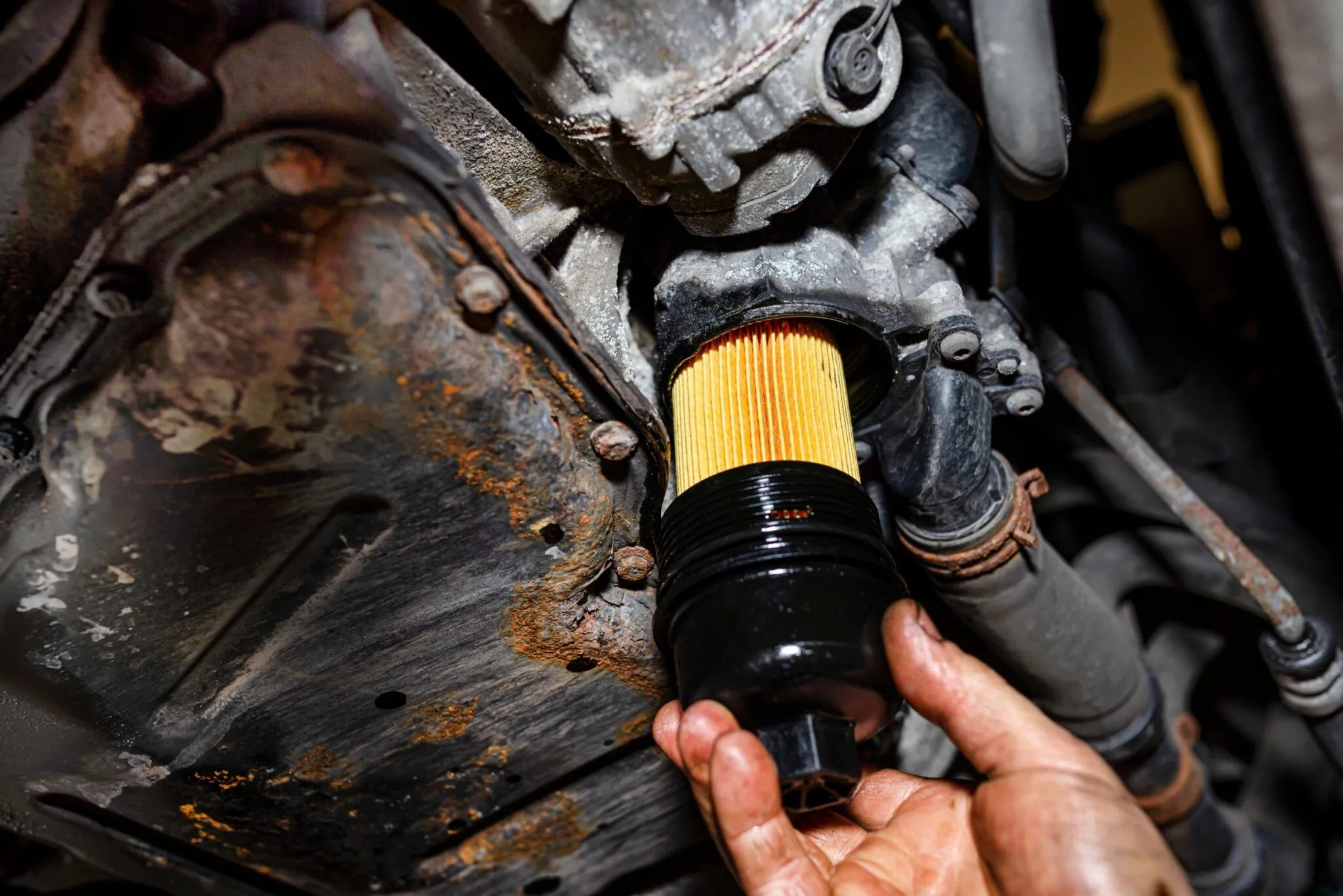
Start by placing the drain pan under the oil filter. Use the oil filter wrench to loosen and remove the old filter. Clean the filter mounting surface with a clean rag. Apply a thin layer of new oil on the rubber seal of the new filter. Screw the new filter by hand until snug, then tighten slightly more with the wrench.
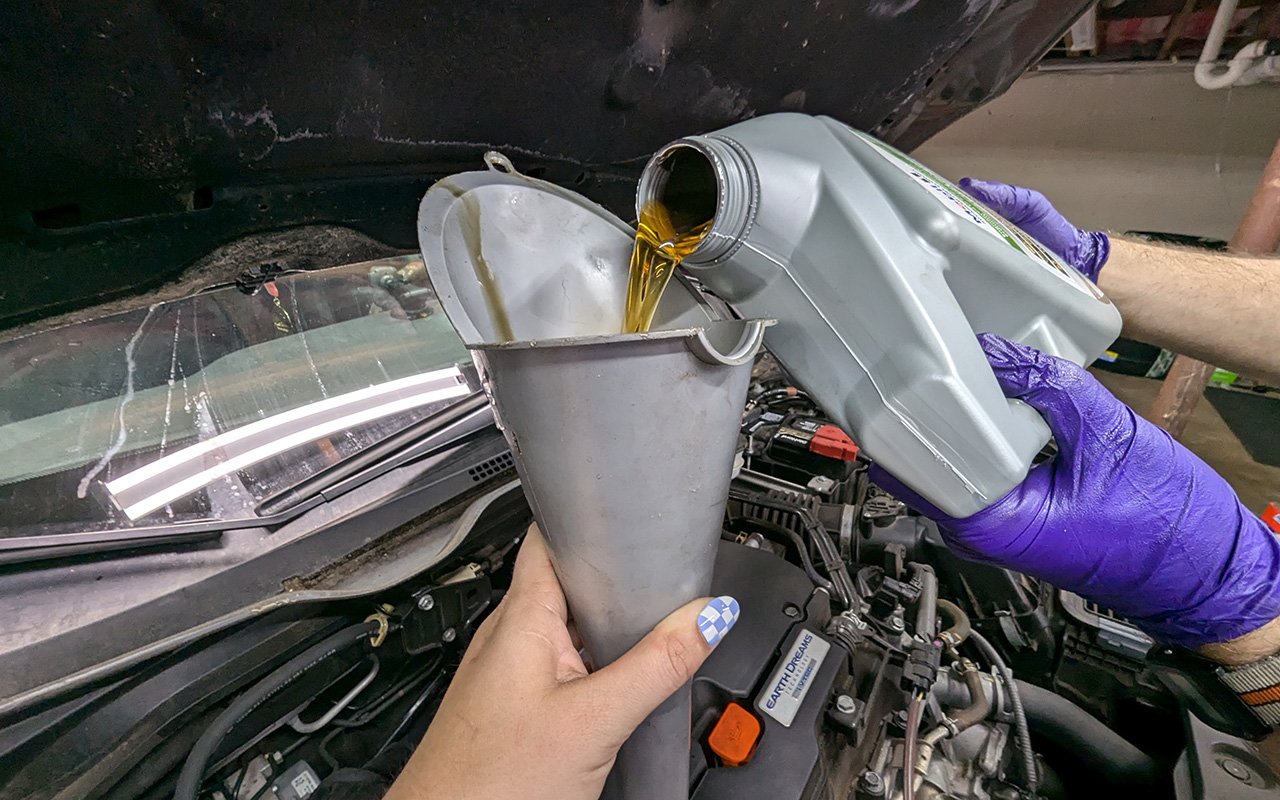
Next, refill the engine with the correct amount of new oil. Check for leaks around the filter. Start the engine and let it run for a few minutes. Turn off the engine and check the oil level. Add more oil if needed. Dispose of old oil and filter properly at a recycling center.
Credit: www.ramonatire.com
Tips To Save On Oil Filter Replacement
Saving money on oil filter replacement is easy with smart choices. Small efforts can cut costs without hurting your car’s health. Use these tips to keep expenses low and your engine running well.
Promotions And Discounts
Many auto shops offer discounts on oil filter services. Look for coupons online or in local flyers. Some places give deals during certain times of the year. Use these offers to lower your bill.
Bundle Services
Combine oil filter change with other car services. Shops often charge less when you get multiple services done at once. For example, oil change and tire rotation together save time and money. Ask your mechanic about bundles before booking.
Regular Maintenance Benefits
Changing your oil filter regularly avoids costly repairs later. A clean filter keeps the engine safe from dirt and damage. Regular care helps your car run smoothly and saves money over time. Stick to the schedule your car manual suggests.

Credit: agirlsguidetocars.com
Frequently Asked Questions
How Much Does It Cost To Change An Oil Filter?
Changing an oil filter usually costs between $15 and $50. Labor charges and filter quality can affect the price. DIY oil filter changes can lower costs significantly.
How Often Should I Replace My Car’s Oil Filter?
Oil filters should be replaced every 3,000 to 7,500 miles. Check your vehicle’s manual for specific intervals. Regular replacement ensures engine health and optimal oil flow.
Can I Change The Oil Filter Myself?
Yes, you can change the oil filter yourself with basic tools. Follow safety steps and dispose of old oil properly. DIY saves money but requires some mechanical knowledge.
Does Changing The Oil Filter Improve Engine Performance?
Yes, a clean oil filter improves engine performance by ensuring clean oil circulation. It prevents contaminants from damaging engine parts, enhancing efficiency and lifespan.
Conclusion
Changing your car’s oil filter does not cost much. Prices vary by car model and location. Doing it regularly keeps your engine healthy. It helps avoid expensive repairs later. You can save money by doing it yourself. Or choose a trusted mechanic for the job.
Always check your car manual for the right filter. Clean oil means better engine performance and longer life. Don’t wait until problems start. Keep your car running smoothly with timely oil filter changes. Simple steps, big benefits.