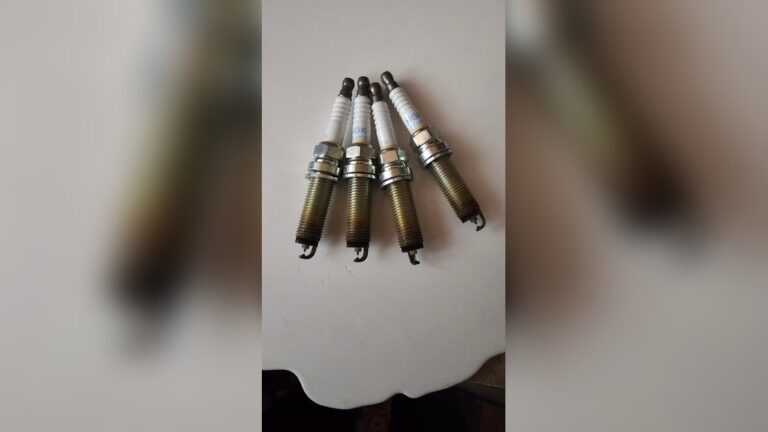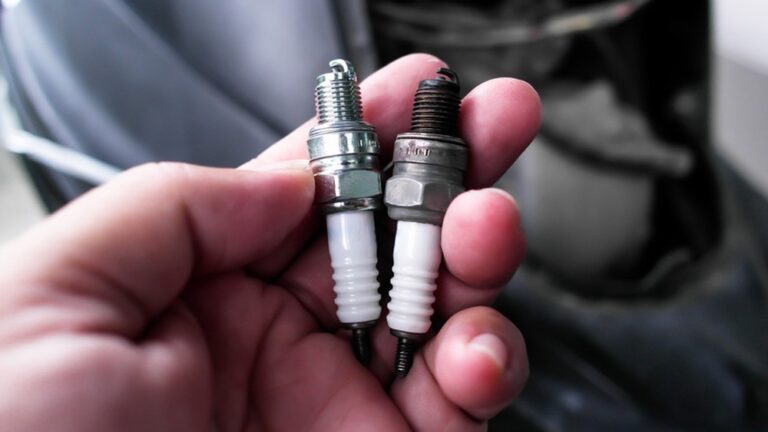

Are you wondering how often you should change the spark plugs in your car? It’s a simple question that can save you from costly repairs and keep your engine running smoothly.
Your spark plugs play a key role in making sure your car starts quickly and drives efficiently. But if they wear out, you might notice rough idling, poor fuel economy, or trouble starting your engine. You’ll discover the signs that your spark plugs need a change, how often you should replace them, and tips to keep your car performing at its best.
Keep reading to make sure your vehicle stays reliable and powerful every time you hit the road.
Credit: www.reddit.com
Spark Plug Basics
Spark plugs are small but vital parts of your car’s engine. They help start the engine and keep it running smoothly. Knowing the basics of spark plugs helps you understand why changing them matters.
Each spark plug creates a spark that ignites the fuel inside the engine. This ignition powers your car and keeps it moving. Over time, spark plugs wear out and affect engine performance.
Role In Engine Performance
Spark plugs ignite the air-fuel mixture in the engine cylinders. This process creates the power needed to move your car. Good spark plugs improve fuel efficiency and reduce emissions. Worn plugs can cause rough idling, poor acceleration, and engine misfires. Changing spark plugs on time keeps the engine running at its best.
Types Of Spark Plugs
There are different types of spark plugs designed for various engines. Copper plugs are affordable and good for older cars. Platinum plugs last longer and offer better performance. Iridium plugs are the most durable and provide strong sparks. Choosing the right type depends on your car and driving habits.
Factors Affecting Replacement Frequency
Several factors influence how often you need to change spark plugs. Knowing these can help you maintain your car better. Each factor affects the lifespan and performance of the spark plugs. Understanding them ensures your engine runs smoothly.
Driving Conditions
Driving in heavy traffic causes more wear on spark plugs. Frequent stop-and-go trips strain the ignition system. Short trips prevent plugs from heating properly. Dusty or rough roads add extra stress. Long highway drives usually extend spark plug life.
Car Model And Make
Different cars have different spark plug needs. Some engines work harder than others. Modern cars may have longer-lasting spark plugs. Older models might require more frequent changes. Always check your car’s manual for specific advice.
Spark Plug Material
Spark plugs come in various materials like copper, platinum, and iridium. Copper plugs wear out faster but cost less. Platinum plugs last longer and resist corrosion. Iridium plugs offer the longest life and best performance. The material affects how often you must replace them.
Recommended Replacement Intervals
Knowing when to change spark plugs helps your car run well. Spark plugs wear out over time. Replacing them on time keeps your engine healthy. The right interval depends on several factors. Understanding the recommended replacement intervals prevents car problems.
Standard Guidelines
Most spark plugs last between 30,000 and 50,000 miles. Some copper spark plugs need changing closer to 20,000 miles. Platinum and iridium spark plugs can last up to 100,000 miles. Driving conditions affect how fast spark plugs wear out. Frequent short trips or heavy traffic cause faster wear. Check your spark plugs regularly to avoid surprises.
Manufacturer Recommendations
Car makers give specific advice for spark plug changes. These recommendations appear in your vehicle’s owner manual. Some newer cars use long-life spark plugs with extended intervals. Follow these guidelines for best engine performance. Using the wrong interval may cause engine misfires or poor fuel economy. Always trust the manufacturer’s schedule for your car model.
Signs You Need New Spark Plugs
Spark plugs play a key role in your car’s engine. They help start the engine and keep it running smoothly. Over time, spark plugs wear out and need replacement. Recognizing signs of worn spark plugs can save you from bigger car troubles.
Watch for these signs to know when spark plugs need changing. Early detection keeps your car in good shape and avoids costly repairs.
Engine Misfires
Engine misfires feel like sudden jerks or stutters. This happens when spark plugs fail to ignite fuel properly. Misfires reduce engine power and make driving rough. Old spark plugs cause incomplete combustion and misfires.
Poor Fuel Economy
Bad spark plugs waste fuel. Your car uses more gas than usual. Poor fuel economy means less money in your pocket. Replacing spark plugs improves fuel use and saves costs on gas.
Difficulty Starting
Hard starts point to spark plug problems. The engine turns over slowly or not at all. Worn plugs struggle to ignite fuel quickly. New spark plugs make starting the engine easy and fast.
How To Change Spark Plugs
Changing spark plugs is a simple task that can improve your car’s performance. Doing it yourself saves money and helps you understand your vehicle better. Follow the steps carefully to replace spark plugs safely and correctly.
Tools Required
- Spark plug socket
- Ratchet wrench
- Extension bar
- Torque wrench
- Dielectric grease
- Gap gauge
- Anti-seize compound
- Shop rag or compressed air
Step-by-step Process
- Open the car hood and locate the spark plugs.
- Clean around each spark plug with a rag or air.
- Remove the spark plug wire or coil carefully.
- Use the spark plug socket and wrench to unscrew the spark plug.
- Check the gap on the new spark plug with a gauge.
- Apply anti-seize compound on the new spark plug threads.
- Insert the new spark plug and tighten with a torque wrench.
- Apply dielectric grease inside the spark plug boot.
- Reconnect the spark plug wire or coil firmly.
- Repeat for all spark plugs and close the hood.
Safety Tips
- Work on a cool engine to avoid burns.
- Wear gloves to protect your hands.
- Disconnect the battery to prevent shocks.
- Handle spark plugs carefully to avoid damage.
- Keep tools organized and away from moving parts.

Credit: www.cuttergmc.com
Benefits Of Timely Spark Plug Replacement
Replacing spark plugs on time brings many benefits to your car. It helps the engine run smoothly and saves money on fuel. Regular changes keep your car cleaner and protect the environment. Small steps like this improve your driving experience and car health.
Improved Fuel Efficiency
New spark plugs burn fuel better. This means your car uses less gas for the same distance. Better fuel efficiency saves you money and reduces trips to the gas station. It also helps the engine avoid wasting fuel.
Enhanced Engine Performance
Fresh spark plugs give a stronger spark to ignite fuel. This makes the engine start faster and run without trouble. Your car will feel more powerful and respond quickly to the gas pedal. Smooth engine performance means fewer breakdowns.
Reduced Emissions
Old spark plugs cause incomplete fuel burning. This leads to more harmful gases from your car. New spark plugs help reduce pollution by making fuel burn fully. Cleaner emissions protect the air and meet environmental rules.

Credit: europeanautospares.com
Frequently Asked Questions
How Often Should Spark Plugs Be Replaced?
Spark plugs typically need replacement every 30,000 to 100,000 miles. Check your car manual for specific intervals. Worn plugs reduce engine performance and fuel efficiency.
What Are Signs Of Worn Spark Plugs?
Common signs include engine misfires, rough idling, poor acceleration, and reduced fuel efficiency. If you notice these, inspect or replace the spark plugs promptly.
Can Bad Spark Plugs Damage My Engine?
Yes, faulty spark plugs can cause engine misfires and poor combustion. This may lead to engine damage if not addressed early. Regular checks prevent costly repairs.
Are All Spark Plugs Replaced At The Same Time?
Yes, it’s best to replace all spark plugs simultaneously. This ensures balanced engine performance and consistent ignition across all cylinders.
Conclusion
Regularly changing spark plugs keeps your car running smooth. Old plugs cause poor fuel use and engine trouble. Check your car manual for the right change time. Most cars need new spark plugs every 30,000 to 100,000 miles. Signs like rough idling or hard starts mean it’s time.
Don’t wait for big problems to appear. Simple care saves you money and stress later. Stay on schedule and enjoy a healthy engine. Spark plugs matter more than you might think. Keep them fresh, and your car will thank you.