
If you want your car to stop safely every time, changing your brake oil is a must. Ignoring this simple task can lead to worn-out brakes and costly repairs.
But don’t worry—changing brake oil is easier than you think. You’ll learn step-by-step how to do it yourself, save money, and keep your car running smoothly. Ready to take control of your car’s safety? Let’s dive in!

Credit: www.rac.co.uk
Signs Brake Oil Needs Changing
Brake oil plays a key role in your car’s safety. It helps the brakes work smoothly and stops your vehicle effectively. Over time, brake oil can get old or dirty. This can cause problems with your brakes and make driving unsafe. Knowing the signs that brake oil needs changing helps you avoid brake failure and costly repairs.
Check Brake Fluid Level
Open the hood and find the brake fluid reservoir. It is usually a small, clear container. Look at the fluid level against the marks on the side. If the fluid is below the minimum mark, it needs topping up or changing. Low brake fluid can mean leaks or worn brake pads.
Notice Brake Pedal Changes
Press the brake pedal slowly and feel how it reacts. If the pedal feels soft or sinks to the floor, the brake oil may be old or leaking. A hard or spongy brake pedal also signals a problem. These changes mean the brake system is not working correctly.
Look For Fluid Discoloration
Brake fluid should be clear or light yellow. Dark or dirty fluid shows it has absorbed moisture and dirt. This reduces braking power and can damage brake parts. Check the fluid color regularly to decide if it needs changing.

Credit: www.youtube.com
Tools And Materials Required
Changing brake oil in your car needs the right tools and materials. Using proper items makes the job safer and easier. Knowing what to prepare saves time and avoids mistakes.
Brake Fluid Types
Brake fluid comes in different types. The most common are DOT 3, DOT 4, and DOT 5.1. Each type has a different boiling point and chemical makeup. Using the correct brake fluid ensures good brake performance. Check your car manual to find the right type. Never mix different types of brake fluid. It can damage the brake system.
Essential Tools List
You need a few tools to change brake oil properly. A brake bleeder kit helps remove old fluid from the system. A wrench fits the bleeder screws on brake calipers. A clear plastic tube directs fluid into a container for safe disposal. A funnel makes pouring brake fluid easier. Use clean rags to wipe spills and protect paint. Gloves keep your hands clean and safe from chemicals. Safety glasses protect your eyes during the process. Prepare a container to catch old brake fluid. Old fluid can harm the environment, so dispose of it properly.
Prepare Your Car Safely
Preparing your car safely is the first step to changing brake oil. Safety helps prevent accidents and makes the process smoother. Taking simple precautions protects you and your vehicle. Follow these steps carefully before starting the brake oil change.
Park On A Flat Surface
Always park your car on a flat surface. This stops the car from rolling or moving. A level ground keeps the brake fluid stable during the change. Avoid slopes or uneven areas for better control and safety.
Use Wheel Chocks
Place wheel chocks behind the tires. These blocks stop the car from moving. Use sturdy chocks for extra safety. This step is very important when working on brakes.
Wear Protective Gear
Wear gloves and safety glasses before starting. Brake fluid can irritate skin and eyes. Protective gear keeps you safe from spills and splashes. Dress in old clothes to avoid stains.
Locate Brake Fluid Reservoir
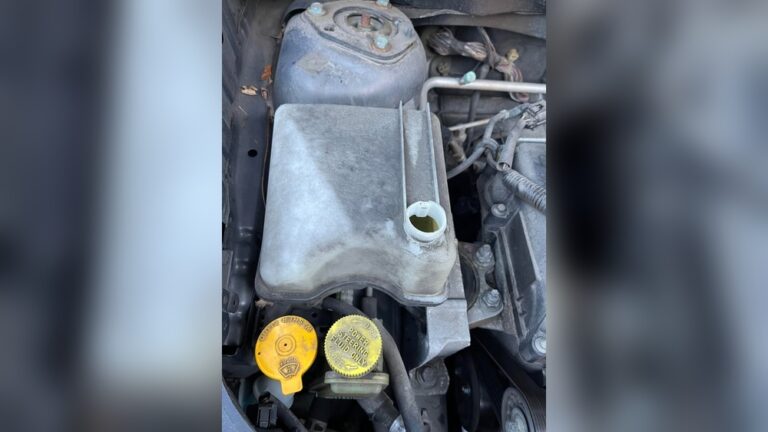
The brake fluid reservoir is usually found under the car’s hood near the back of the engine. It is a small, clear container with a cap labeled for brake fluid. Checking this helps start the brake oil change safely.
Identify Reservoir Location
The brake fluid reservoir holds the brake oil in your car. It is usually found in the engine bay. Open the hood and look near the back of the engine compartment. The reservoir is often a small, clear plastic container with a cap labeled “Brake Fluid” or a brake symbol. Sometimes, it sits close to the driver’s side firewall. Check your car manual if you cannot spot it quickly.
Clean Around The Cap
Before opening the reservoir, clean the area around the cap. Dirt or dust can fall inside and contaminate the brake fluid. Use a clean cloth or paper towel to wipe the cap and surrounding surface. This step helps keep the brake system safe and working well. Always keep the reservoir clean to avoid brake problems later.
Drain Old Brake Fluid
Draining old brake fluid is a key step in changing brake oil. This process removes dirty, worn-out fluid that can harm your braking system. Clean fluid helps keep brakes working safely and smoothly.
Proper drainage avoids spills and protects the environment. Use the right tools and containers to make this task simple and safe.
Access Brake Bleeder Valves
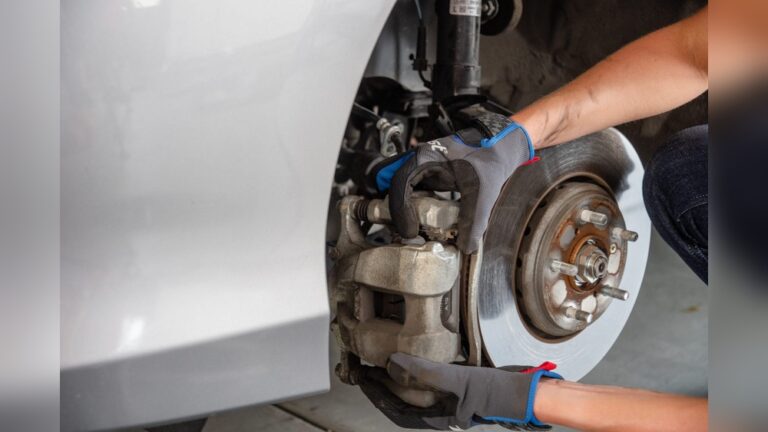
Locate the brake bleeder valves on each wheel. These small valves let old fluid escape. Use a wrench to open them carefully. Open valves slowly to control the flow. Close them once the fluid runs clear and fresh.
Use Proper Drainage Containers
Choose containers that hold brake fluid without leaking. Avoid using open or weak containers. Brake fluid can damage surfaces and the environment. Collect all old fluid safely to dispose of it properly later.
Refill With New Brake Fluid
Refilling your car’s brake system with new brake fluid is a key step after draining the old fluid. This process helps keep your brakes working well and safe to use. Using the right type and filling to the proper level ensures the brake system performs correctly and avoids damage.
Choose Correct Fluid Type
Check your car manual to find the right brake fluid type. Common types include DOT 3, DOT 4, and DOT 5.1. Using the wrong fluid can harm the brake system and reduce braking power. Always pick the fluid that matches your car’s requirements.
Fill To Recommended Level
Open the brake fluid reservoir slowly. Pour new fluid carefully to avoid spills. Fill only up to the maximum mark on the reservoir. Overfilling can cause leaks or damage. Keep the cap tight after filling to stop dirt from entering.
Bleed The Brake System
Bleeding the brake system is a key step when changing brake oil. It removes old fluid and air from the brake lines. This process keeps your brakes working well and ensures safety on the road. Proper bleeding helps maintain firm brake pedals and quick response.
Bleeding Sequence
Follow the right bleeding sequence to avoid mistakes. Usually, start with the brake farthest from the master cylinder. This is often the rear passenger side. Next, move to the rear driver side, then the front passenger side. Finish with the front driver side. This order helps push air out efficiently.
Avoid Air Bubbles
Air bubbles reduce brake performance. To avoid them, keep the brake fluid reservoir full during bleeding. Use a clear tube on the bleeder valve to watch for air bubbles. Pump the brake pedal slowly and steadily. Stop pumping when only clear brake fluid flows without bubbles.
Test Brakes After Changing Fluid
Testing your brakes after changing the brake fluid is very important. It helps ensure your brakes work well and keep you safe on the road. After replacing the fluid, the brake system needs to be checked carefully. Small problems might happen if the fluid is not properly filled or air is trapped inside. Follow these steps to test your brakes properly.
Check Brake Pedal Firmness
Press the brake pedal gently with your foot. The pedal should feel firm and steady, not soft or spongy. If the pedal sinks to the floor, air may still be in the brake lines. Pump the pedal a few times to remove any trapped air. A firm pedal means the brake fluid flows well through the system.
Perform Low-speed Test Drive
Drive your car slowly in a safe, open area. Apply the brakes several times at low speed. Notice how the car stops and how the pedal responds. The brakes should stop the car smoothly and quickly. If you feel any unusual noise or delay, stop and check the brake fluid and system again. This test helps confirm your brake system works correctly after the fluid change.
Maintenance Tips For Brake Fluid
Brake fluid keeps your car’s braking system working well. It transfers pressure from the brake pedal to the brake parts. Clean and healthy brake fluid helps stop the car safely. Poor brake fluid can cause brake failure or damage.
Follow simple tips to keep brake fluid in good condition. These steps protect your safety and save money on repairs.
Regular Fluid Checks
Check brake fluid level at least once a month. Use the brake fluid reservoir under the hood. The fluid should be between the minimum and maximum marks. Look at the fluid color too. It should be clear or light yellow. Dark or dirty fluid means it needs changing.
Keep the reservoir cap tight. Avoid dirt or moisture getting inside. Moisture can cause brake fluid to lose strength and damage brake parts.
Schedule Professional Inspections
Have a mechanic check brake fluid every year. Professionals can test fluid quality and find hidden problems. They can flush old fluid and replace it with new fluid. This keeps brakes working well and lasting longer.
Do not wait for brake problems. Early inspections catch issues before they get worse. Brake fluid maintenance is key to safe driving.

Credit: www.wikihow.com
Frequently Asked Questions
How Often Should I Change Brake Oil In My Car?
Brake oil should be changed every 2 years or 30,000 miles. Regular changes ensure optimal braking performance and safety. Always check your car’s manual for specific recommendations.
What Tools Do I Need To Change Brake Oil?
You need brake fluid, a wrench, a clear hose, a container, and a brake bleeder kit. Proper tools help prevent spills and ensure a smooth process.
Can I Use Any Brake Fluid For My Car?
No, always use the brake fluid type specified in your car’s manual. Using the wrong fluid can damage the braking system and reduce safety.
What Are The Signs Of Old Or Contaminated Brake Oil?
Signs include a spongy brake pedal, reduced braking efficiency, or dark fluid color. Regular checks help maintain brake reliability and prevent accidents.
Conclusion
Changing brake oil keeps your car safe and working well. Regularly check the brake fluid level to avoid problems. Use the right brake oil to protect your braking system. Follow the steps carefully for a smooth brake oil change. Clean tools and a safe workspace help prevent mistakes.
Taking care of brake oil helps your car stop better. Don’t forget to test brakes after the change. Simple maintenance saves money and keeps you safe on the road. Keep your car’s brake system healthy with this easy task.