
Your car’s brake fluid is one of the most important parts that keep you safe on the road. Over time, this fluid can get dirty or lose its effectiveness, putting your brakes—and your safety—at risk.
Changing your brake fluid might sound complicated, but with the right steps, you can do it yourself and save money. In this guide, you’ll learn exactly how to change your car’s brake fluid quickly and safely, even if you’ve never done it before.
Keep reading to take control of your car’s maintenance and drive with confidence.
Signs You Need To Change Brake Fluid
Brake fluid is vital for safe driving. It helps your brakes work well. Over time, brake fluid can lose its strength and cause problems. Knowing the signs of old brake fluid can keep you safe on the road.
Brake Performance Issues
Feel your brake pedal soft or spongy? This may mean brake fluid needs changing. Brake response may slow down too. Your car might take longer to stop. These are clear signs of worn-out fluid.
Fluid Discoloration
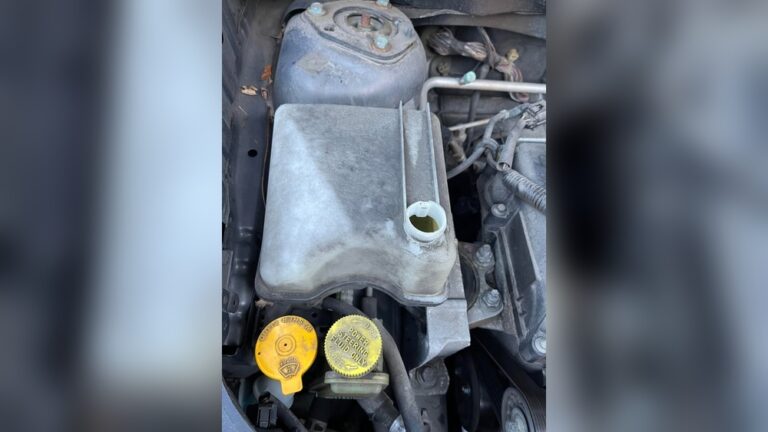
Check the brake fluid color under the hood. Fresh fluid is usually clear or light yellow. Dark or dirty fluid means it’s time to change it. Old fluid collects dirt and moisture, which harms brake parts.
Manufacturer Recommendations
Car makers suggest changing brake fluid at set times. This is often every 2 years or 30,000 miles. Follow your car’s manual for the best schedule. Regular changes keep your brakes reliable and safe.
Credit: motorequipmentnews.co.nz
Tools And Materials Required
Changing car brake fluid requires the right tools and materials. Using proper items makes the job safe and effective. This section covers what you need to gather before starting.
Brake Fluid Types
Brake fluid comes in different types. Common types include DOT 3, DOT 4, and DOT 5.1. Check your car’s manual to find the correct fluid. Using the wrong type can damage your brake system. Always buy fresh, sealed brake fluid.
Essential Tools
You need a few basic tools to change brake fluid. A brake bleeder kit helps remove old fluid. A wrench fits the bleeder screws on brake calipers. A clear hose connects to the bleeder valve. A clean container collects old fluid. Also, have a funnel and clean rags ready.
Safety Gear
Protect yourself during the brake fluid change. Wear gloves to avoid skin contact with brake fluid. Use safety glasses to shield your eyes. Work in a well-ventilated area. Brake fluid can harm paint, so cover nearby surfaces.
Preparing Your Vehicle
Preparing your vehicle is an important first step before changing brake fluid. It ensures safety and easy access to necessary parts. Proper preparation helps the process go smoothly and prevents accidents.
Park On A Level Surface
Find a flat, level surface to park your car. This keeps the vehicle stable. It also prevents the brake fluid from moving unevenly. Avoid slopes or uneven ground. This makes the brake fluid change safer and more effective.
Engage Parking Brake
Set the parking brake firmly. This stops the car from rolling. The parking brake holds the vehicle steady while you work. It adds an extra layer of safety during the brake fluid change.
Remove Wheel Covers
Take off the wheel covers or hubcaps. This gives better access to the brake system. Use a tool if needed, but be gentle to avoid damage. Removing covers makes it easier to reach the brake components.
Credit: brakeperformance.com
Draining Old Brake Fluid
Draining old brake fluid is an important step in maintaining your car’s brake system. Over time, brake fluid absorbs moisture and dirt. This reduces its effectiveness and can damage brake parts. Removing the old fluid ensures your brakes work safely and smoothly. The process is simple with the right tools and care.
Locate Brake Fluid Reservoir
Open the car hood and find the brake fluid reservoir. It is usually a small, clear plastic container near the back of the engine bay. The reservoir has a cap labeled “Brake Fluid.” Check the fluid level and color. Old fluid often looks dark or dirty. Clean the area around the cap before opening it to avoid dirt entering the system.
Use Brake Bleeder Kit
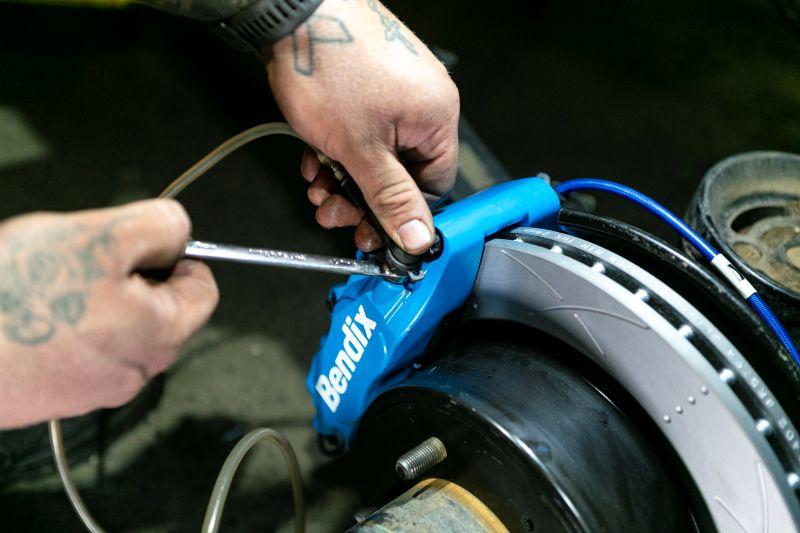
A brake bleeder kit makes draining easy and clean. Attach the kit’s hose to the bleeder valve on the brake caliper. Open the valve slightly to let old fluid flow out. Pump the brake pedal slowly to push fluid through the system. Watch the fluid color change from dark to clear. Close the valve before removing the hose to stop leaks.
Proper Disposal
Old brake fluid is hazardous and must be disposed of properly. Collect the drained fluid in a sealed container. Take it to a local recycling center or auto shop that accepts hazardous waste. Never pour brake fluid down drains or on the ground. Proper disposal protects the environment and keeps your community safe.
Refilling With New Brake Fluid
Refilling your car’s brake fluid is a key step in brake maintenance. Clean, fresh fluid keeps brakes working well. Old fluid can cause problems and reduce brake power. This section covers how to add new brake fluid correctly.
Choosing The Right Fluid
Select the brake fluid type your car needs. Check the owner’s manual for the correct specification. Common types include DOT 3, DOT 4, and DOT 5.1. Using the wrong fluid can damage brake parts.
Buy fresh fluid from a sealed container. Brake fluid absorbs moisture quickly. Old or open containers reduce fluid quality.
Filling To Correct Level
Open the brake fluid reservoir carefully. Use a clean funnel to avoid spills. Pour the fluid slowly to prevent overflow. Fill up to the “MAX” line on the reservoir. Overfilling can cause leaks or pressure issues.
Check the fluid level again after adding. Close the reservoir cap tightly to prevent contamination.
Avoiding Air Bubbles
Air in brake lines reduces braking power. To avoid air bubbles, pour fluid steadily and slowly. Do not let the reservoir run dry during the process. Keep the cap on except when adding fluid.
After filling, bleed the brakes to remove trapped air. This step ensures smooth brake pedal feel and safety.
Bleeding The Brake System
Bleeding the brake system is a crucial step after changing the brake fluid. This process removes air bubbles trapped in the brake lines. Air in the system can cause a soft brake pedal or poor braking. Clear, bubble-free fluid ensures your brakes work safely and efficiently.
Bleeding Sequence
Start with the brake furthest from the master cylinder. Usually, this is the rear passenger side wheel. Next, move to the rear driver side wheel. Then, the front passenger side wheel. Finally, bleed the front driver side wheel. Follow this order to push air out properly.
Pump Brake Pedal Correctly
Press the brake pedal slowly and firmly. Hold it down while someone opens the bleed valve. Release the pedal only after the valve closes. Repeat this until fluid flows clear without bubbles. Do not let the pedal rise on its own. This keeps air from entering the system.
Checking For Leaks
After bleeding, check all connections for leaks. Look at the bleed valves and brake lines. Tighten any loose parts carefully. Leaks reduce brake pressure and can be dangerous. Confirm the brake fluid level is correct before driving.
Testing Brake Performance
Testing brake performance is a key step after changing your car’s brake fluid. It ensures your brakes work well and keep you safe. This process checks if the new fluid moves correctly through the system. It helps spot any problems early. Always test brakes in a safe, open area. Avoid heavy traffic during these tests.
Initial Low-speed Test
Start by driving slowly, about 5 to 10 mph. Press the brake pedal gently. Feel how the brakes respond. The pedal should feel firm, not spongy. Listen for unusual sounds like squeaks or grinding. If the pedal feels soft, there might be air in the lines. Stop and check the brake fluid level. Add more fluid if needed before continuing.
Monitoring Brake Response
Increase speed slightly to around 15 mph. Apply the brakes more firmly but smoothly. Notice if the car slows down evenly. Watch for pulling to one side. That could mean uneven brake pressure. Check if the brakes grab or feel weak. Consistent brake feel means the fluid is working well. Repeat this test a few times to be sure.
Final Adjustments
If you find any issues, fix them before driving normally. Bleed the brakes again if the pedal is soft. Top up the brake fluid if the level drops. Make sure all brake parts are secure and clean. Test the brakes one last time at low speed. Confirm the pedal is firm and the car stops smoothly. Only drive normally after you trust the brake performance.

Credit: www.youtube.com
Maintenance Tips For Brake Fluid
Brake fluid is key to safe driving. It helps your brakes work well every time. Keeping the brake fluid clean and fresh is important. Poor brake fluid can cause brake failure and accidents. Follow these maintenance tips to keep your brake system in top shape.
Regular Inspection
Check brake fluid often. Look at the fluid level in the reservoir. It should be between the minimum and maximum marks. Also, check the fluid color. Clear or light yellow is good. Dark or cloudy fluid means it needs attention.
Fluid Change Intervals
Change brake fluid regularly. Most cars need a change every 2 years. Follow your car’s manual for exact timing. Old fluid loses its ability to stop corrosion. Fresh fluid keeps brakes working smoothly and safely.
Signs Of Contamination
Contaminated brake fluid harms braking. Watch for soft or spongy brake pedals. This means air or moisture got inside. Also, a burning smell or brake warning light can signal trouble. Change the fluid immediately if you notice these signs.
Frequently Asked Questions
How Often Should Car Brake Fluid Be Changed?
Brake fluid should be changed every 2 years or 30,000 miles. Regular changes ensure optimal brake performance and safety. Check your owner’s manual for specific recommendations. Old fluid can absorb moisture, causing brake failure and corrosion.
What Tools Are Needed To Change Brake Fluid?
You need a wrench, brake fluid, a clear tube, a catch container, and a brake bleeder kit. Safety gloves and eye protection are also recommended. Proper tools help prevent contamination and ensure a successful fluid change.
Can I Use Any Brake Fluid Type For My Car?
No, always use the brake fluid type specified by your car manufacturer. Common types are DOT 3, DOT 4, and DOT 5. 1. Using the wrong fluid can damage brake components and reduce braking efficiency.
What Are Signs Of Old Or Contaminated Brake Fluid?
Signs include a spongy brake pedal, longer stopping distances, or brake warning lights. Dark or cloudy fluid also indicates contamination. Regular inspection helps maintain safe braking and avoids costly repairs.
Conclusion
Changing your car’s brake fluid keeps brakes working well and safe. It helps stop your car smoothly and avoids damage. Check the fluid regularly and change it as needed. Doing this saves money on big repairs later. Follow the steps carefully and take your time.
Good brakes mean safer drives for you and your family. Keep your car in top shape by caring for its brake fluid. Simple care makes a big difference on the road.