
Are you tired of your car’s interior looking dull or outdated? Changing the color of your car’s interior can completely transform how your vehicle feels every time you step inside.
Imagine driving in a space that reflects your style and personality, making every trip more enjoyable. Whether you want a sleek black finish, a bold red, or something unique, this guide will show you simple, effective ways to update your car’s interior color without breaking the bank.
Keep reading to discover how easy it is to give your car a fresh, stylish look that turns heads and makes you proud to drive.
Choosing The Right Color
Choosing the right color for your car interior changes the entire look and feel. It affects comfort, style, and resale value. Pick a color that fits your personality and daily use. Consider light colors for a fresh feel. Dark colors hide dirt better. The right choice makes every drive more enjoyable.
Popular Interior Colors
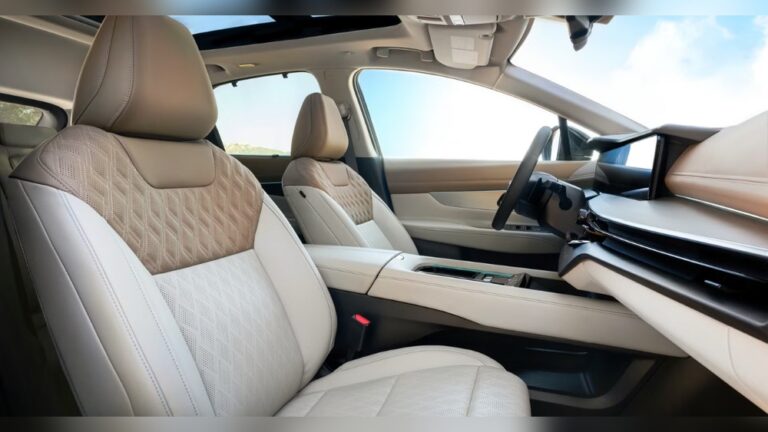
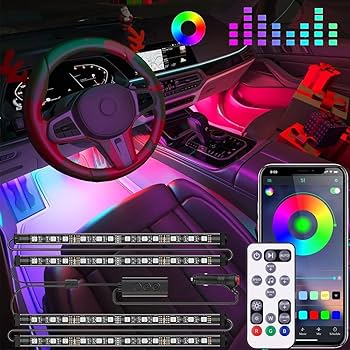
Black remains a top choice for many car owners. It looks sleek and matches most exteriors. Gray offers a modern, neutral tone that hides stains well. Beige or tan creates a warm, classic atmosphere inside your car. Some like bold colors like red or blue for a unique touch. Choose a color that suits your taste and lifestyle.
Matching Exterior And Interior
Match interior colors with the car’s exterior for a balanced look. Dark exteriors often pair well with dark interiors for a seamless style. Light exterior colors can brighten up with a soft interior shade. Contrast adds interest but avoid clashing colors. Think about the overall theme you want to create.
Considering Material Types
Leather, fabric, and vinyl all react differently to color. Leather shows scratches more on light colors. Fabric may fade faster in bright colors. Vinyl is easy to clean and suits darker shades well. Choose a color that works with the material you prefer. This choice affects durability and maintenance.
Preparing The Interior
Preparing the interior is the first step to change your car’s interior color. This step ensures the paint or dye sticks well and looks smooth. Taking time to prepare helps avoid mistakes and saves time later.
Cleaning And Removing Old Materials
Start by cleaning all surfaces thoroughly. Use a vacuum to remove dust and dirt. Wipe seats, panels, and carpets with a mild cleaner. Remove any old paint or dye using a gentle stripper. This clears the surface for the new color.
Protecting Non-painted Areas
Cover parts that should not get paint on them. Use painter’s tape on buttons, screens, and seams. Lay down plastic sheets on the floor and dashboard. This keeps everything clean and free from stains.
Gathering Necessary Tools And Supplies
Get all needed tools before starting the job. You will need paint or dye, brushes, spray bottles, and cloths. Have sandpaper and cleaning agents ready too. Being prepared makes the process faster and easier.
Painting Fabric And Vinyl
Changing the color of your car’s fabric and vinyl interior can refresh its look. Painting these surfaces is a cost-effective way to update your car. It requires the right materials and careful steps. This guide will help you paint fabric and vinyl properly.
Selecting Fabric Paints
Choose paint made for fabric or vinyl. These paints stick well and stay flexible. Look for water-based fabric paint for easy use and cleaning. Avoid regular spray paint; it can crack or peel. Test paint on a small hidden area first.
Step-by-step Painting Process
Clean the surface with mild soap and water. Let it dry fully before painting. Use a soft brush or sponge to apply paint evenly. Apply thin coats to avoid drips. Let each coat dry before adding another. Paint in a well-ventilated space to avoid fumes.
Drying And Curing Tips
Allow paint to dry at least 24 hours. Avoid touching the surface during this time. Keep the car interior ventilated to help drying. Some paints need heat curing; follow product instructions. Proper curing improves paint durability and color.
Painting Leather Interiors
Painting leather interiors is a great way to refresh your car’s look. It can change the color and cover up stains or damage. This process needs care and the right tools. The steps include choosing the right paint, preparing the leather, and applying the paint carefully.
Choosing Leather Paint
Select paint made for leather surfaces only. Regular paint can crack or peel fast. Look for flexible, water-based leather paint. These paints stick well and stay soft. Choose a color that matches your car’s style. Test the paint on a small hidden area first.
Prepping Leather Surfaces
Clean the leather with mild soap and water. Remove dirt, oil, and old polish. Let the leather dry completely before painting. Use fine sandpaper to smooth rough spots. Wipe off dust with a clean cloth. Proper prep helps paint stick and last longer.
Applying Paint For Lasting Finish
Use a small brush or sponge for even coats. Apply thin layers and let each dry fully. Avoid thick paint, as it can crack later. Work in a well-ventilated area to speed drying. After the final coat, let the leather cure for 24 hours. This ensures a strong, lasting finish.
Using Wraps And Covers
Using wraps and covers is a smart way to change your car’s interior color. They offer a quick and cost-effective option. You can refresh your car’s look without removing or repainting materials.
Wraps and covers come in many colors and textures. They protect your original interior while giving it a new style. This method suits both small and large changes inside your car.
Benefits Of Interior Wraps
Interior wraps protect surfaces from scratches and stains. They can hide old damage and make the interior look new. Wraps are easy to clean and maintain.
They help keep your car’s resale value high. Changing colors is fast, often done in a day. Wraps also allow you to switch colors later without damage.
Types Of Wrap Materials
Vinyl is the most popular wrap material. It is durable and comes in many finishes like matte or gloss. Fabric wraps offer a soft feel and unique look.
Leatherette wraps mimic leather but cost less. Carbon fiber wraps add a sporty style. Choose a material that fits your budget and style goals.
Installation Tips
Clean the surface thoroughly before applying any wrap. Remove dirt and oils for the best stick. Use a heat gun to help the wrap conform to curves.
Work slowly to avoid bubbles and wrinkles. Trim edges carefully for a neat finish. If unsure, hire a professional for perfect results.

Credit: www.youtube.com
Professional Services Vs Diy
Changing your car interior color can refresh your vehicle’s look. You have two main choices: professional services or DIY. Each has benefits and challenges. Understanding these helps you pick the right option for your needs.
Cost Comparisons
Professional services usually cost more upfront. They charge for labor, materials, and expertise. DIY kits are cheaper but need your time and effort. You must buy paint, tools, and protective gear. Mistakes in DIY can increase costs. Professionals avoid these errors.
Quality And Durability
Professionals use high-quality materials and tools. Their work lasts longer and looks smoother. DIY results vary by skill and patience. Some DIY paints fade or peel faster. Professionals ensure even color and finish. This matters for the car’s resale value.
When To Hire Professionals
Choose professionals if you want a perfect finish. Complex interiors need expert handling. If you lack time or experience, hire pros. They save effort and avoid damage. For simple changes or budget limits, try DIY. Assess your skills and goals first.
Maintenance After Color Change
After changing the color of your car interior, proper maintenance is key. It helps keep the new color fresh and protects your investment. Taking care of painted surfaces requires special attention and simple steps.
Cleaning Tips For Painted Surfaces
Use a soft cloth or sponge for cleaning painted parts. Mild soap mixed with water works best. Avoid harsh chemicals that can strip the paint. Gently wipe to remove dust and dirt. Dry with a soft towel to stop water spots.
Avoiding Damage And Fading
Keep your car out of direct sunlight for long periods. UV rays can cause the color to fade quickly. Use sunshades or park in shaded areas. Avoid sharp objects that can scratch the paint. Regularly check for signs of wear to prevent damage.
Touch-up And Repair Options
Small chips or scratches can be fixed with touch-up paint kits. Match the color carefully for the best results. For bigger damage, consider professional repairs. Prompt action stops rust and further paint peeling. Keep repair tools handy for quick fixes.
Credit: www.amazon.com

Credit: www.amazon.com
Frequently Asked Questions
How Can I Change My Car Interior Color Easily?
You can change your car interior color by using fabric dye, vinyl wraps, or professional upholstery services. Choose materials that suit your car’s fabric type. DIY kits are available for simple projects, but professional help ensures durability and a polished finish.
What Materials Work Best For Car Interior Color Change?
Leather, vinyl, and fabric are common materials for car interiors. Use specialized dyes or paints designed for each type. Vinyl wraps offer a non-permanent option. Always test products on a small area before full application to avoid damage.
Is Painting Car Interior Parts A Good Idea?
Painting car interior parts can be effective for plastics and trims. Use high-quality, flexible paint to prevent cracking. Proper surface preparation is essential. Avoid painting areas exposed to heavy wear unless you want frequent touch-ups.
How Long Does A Car Interior Color Change Last?
The durability depends on materials and methods used. Professional upholstery changes can last years with proper care. DIY dye jobs may fade or wear faster. Regular cleaning and avoiding harsh chemicals help maintain color longevity.
Conclusion
Changing your car’s interior color can refresh its look and feel. Choose materials and colors that fit your style and budget. Take your time to plan each step carefully. Small changes can make a big difference inside your car. Enjoy the process and the new vibe it brings.
Your car’s interior can become more comfortable and unique. Keep your tools ready and follow safe practices. Ready to give your car a fresh, colorful update?