
Your car’s safety depends a lot on your brake pads. But how do you know when they need checking or replacing?
If you’re unsure, don’t worry—you’re not alone. Knowing how to check your brake pads can save you money and keep you safe on the road. You’ll learn simple steps to inspect your brake pads quickly and easily. By the end, you’ll feel confident about maintaining this crucial part of your car.
Ready to take control of your car’s safety? Let’s get started.
Credit: urbsgarage.com
Signs Of Worn Brake Pads
Worn brake pads can cause serious safety problems. It is important to spot the signs early. These signs help you know when to check and replace brake pads. Knowing them saves money and prevents accidents.
Squealing And Grinding Noises
Squealing sounds mean brake pads are thin. This noise comes from a small metal piece called a wear indicator. It rubs against the brake disc to warn you. Grinding noise means the pads are completely worn. Metal parts then touch the disc, causing damage.
Reduced Braking Performance
Your car takes longer to stop with worn pads. The brake pedal may feel soft or spongy. You might need more force to slow down. This reduces your control and increases risk. Notice any change in braking strength immediately.
Brake Warning Lights
Most cars have a brake warning light on the dashboard. It lights up if brake pads are low. Sometimes the light signals other brake issues too. Never ignore this warning. Check your brake pads as soon as the light appears.

Credit: www.reddit.com
Tools Needed For Inspection
Checking your car’s brake pads needs some simple tools. These tools help you see the brake pads clearly and safely. Having the right equipment saves time and prevents mistakes.
Prepare these tools before starting the inspection. This makes the process easier and smoother.
Basic Hand Tools
You need a few basic hand tools for brake pad inspection. A lug wrench helps remove the wheel nuts. A jack lifts the car safely off the ground. A jack stand holds the car steady while you work. A flashlight lets you see inside the wheel area clearly. A ruler or brake pad gauge measures the pad thickness. These simple tools are easy to find and use.
Safety Equipment
Safety is very important while checking brake pads. Wear safety gloves to protect your hands from sharp parts. Use safety glasses to keep dirt and dust out of your eyes. Wear closed shoes to protect your feet from falling tools. Work on a flat surface to avoid car movement. Always use a jack stand to secure the car after lifting it. Safety gear protects you from injuries during the inspection.
Preparing Your Car For Inspection
Preparing your car for inspection is the first step to check your brake pads safely. It sets a solid base for the process. Taking time to get ready helps avoid mistakes and keeps you safe.
Start by making sure your car is steady and will not move. This makes checking easier and more accurate. Also, removing the wheels is often needed to see the brake pads clearly. Each step is important for a smooth inspection.
Parking On A Level Surface
Find a flat and solid spot to park your car. This stops the car from rolling or shifting. Avoid slopes or uneven ground. A level surface keeps your car stable. Stability is key to a safe inspection.
Engaging The Parking Brake
Set the parking brake firmly. It locks the wheels in place. This adds an extra layer of safety. Even on flat ground, use the parking brake. It prevents the car from moving unexpectedly.
Removing The Wheels
Loosen the lug nuts slightly before lifting the car. Use a jack to raise the car carefully. Remove the wheels to access the brake pads. Keep the lug nuts safe to avoid losing them. Removing wheels gives a clear view of the brake system.
Visual Inspection Steps
Performing a visual inspection of your car’s brake pads helps ensure safe driving. It is a simple way to spot wear and tear early. Regular checks can prevent costly repairs and improve braking performance.
Follow these steps to check your brake pads without special tools. You only need a flashlight and some patience. Start with locating the brake pads, then check their thickness, and finally inspect for uneven wear.
Locating The Brake Pads
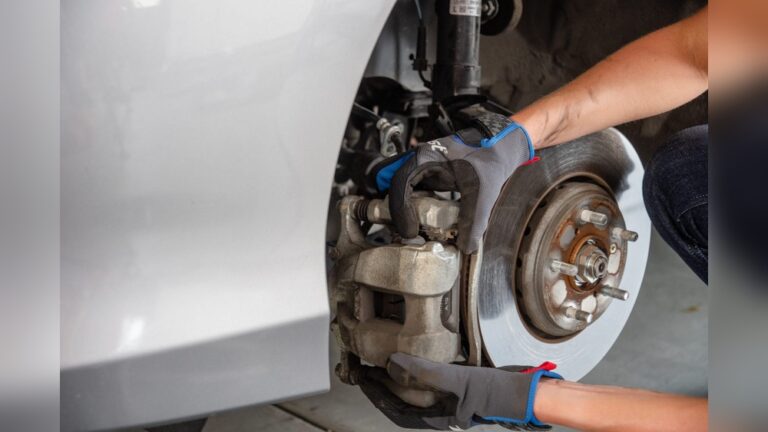
Brake pads sit inside the wheel assembly. Remove the wheel if needed for better access. Look through the gaps in the wheel spokes to see the brake pads. They press against the brake disc or rotor.
Checking Pad Thickness
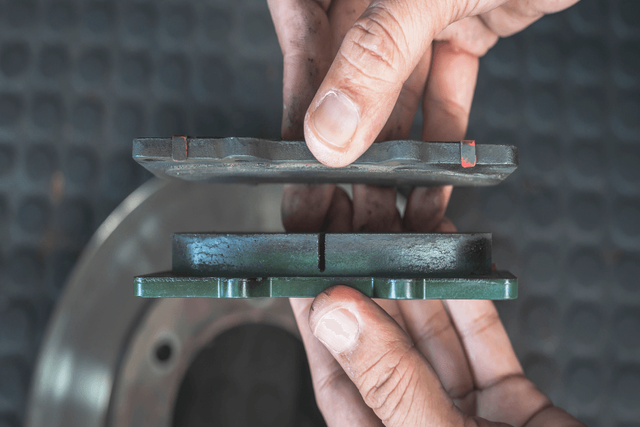
Measure the thickness of the brake pads visually. New pads are about 10 to 12 millimeters thick. Replace pads if thickness is below 3 millimeters. Thin pads reduce braking power and increase risk.
Inspecting For Uneven Wear
Look for uneven wear on the brake pads. Pads should wear evenly on both sides. Uneven wear can indicate brake problems or caliper issues. Address uneven wear to avoid damage to the braking system.
Using A Brake Pad Gauge
Using a brake pad gauge is a simple and effective way to check your car’s brake pads. This small tool helps measure the thickness of the pads. It gives a clear idea of how much wear they have. This method avoids guesswork and keeps your brakes safe.
Measuring Pad Thickness
First, park your car on a flat surface. Remove the wheel to see the brake pads clearly. Place the brake pad gauge against the pad surface. Slide the gauge until it touches the metal backing plate. Read the measurement on the gauge scale. This shows the exact thickness of the brake pad.
Interpreting Results
Compare the measurement to the manufacturer’s minimum thickness. Most brake pads need replacement at 3mm or less. If the pad is thicker, it still has life left. If it is thinner, plan to replace it soon. Thin pads can cause poor braking and damage the rotor.
When To Replace Brake Pads
Knowing when to replace brake pads is key to safe driving. Brake pads wear down over time due to friction. Replacing them at the right moment prevents damage to other brake parts. This keeps your car stopping well and avoids costly repairs.
Minimum Thickness Guidelines
Brake pads have a minimum thickness limit set by manufacturers. Most pads should be replaced when they are about 3 millimeters thick. New brake pads usually start at 8 to 12 millimeters. If the pads are thinner than 3 millimeters, it’s time to replace them. Thin pads reduce braking power and increase stopping distance.
Signs Of Damage Or Cracks
Look closely for cracks or damage on the brake pads. Cracks appear as lines or breaks on the pad surface. Damaged pads can break apart during braking. This causes noise and unsafe driving. Also check for uneven wear or chunks missing. These are signs to replace brake pads immediately.
Tips To Extend Brake Pad Life
Brake pads wear down with use. Extending their life saves money and keeps driving safe. Simple habits and routine checks help your brake pads last longer. These tips make your car’s braking system more efficient and reliable.
Smooth Driving Habits
Avoid sudden stops and hard braking. Gradual slowing reduces brake pad wear. Keep a safe distance from other cars to brake gently. Use engine braking on downhill roads to ease pressure on pads. Smooth driving lowers heat buildup, preventing fast brake pad damage.
Regular Maintenance Checks
Check brake pads every 10,000 miles or as recommended. Look for thin or worn pads during inspections. Listen for squeaking or grinding noises indicating wear. Keep brake fluid at proper levels for good brake performance. Timely replacement prevents damage to other brake parts.
Cost Benefits Of Early Inspection
Checking brake pads early can save money and stress. Small problems caught on time stop big issues later. Early inspection helps keep your car safe and your wallet happy. It also makes sure parts last longer and work better.
Avoiding Expensive Repairs
Worn brake pads can damage other brake parts. Fixing those parts costs much more than new pads. Early checks spot worn pads before damage starts. This saves money on costly repairs. It also stops sudden brake failure that can cause accidents.
Maximizing Brake Component Lifespan
Brake parts last longer with early care. Clean and healthy pads reduce wear on rotors. This means fewer replacements and less hassle. Regular inspection ensures brakes work smoothly and last longer. It helps keep your car safe and saves money over time.

Credit: www.youtube.com
Frequently Asked Questions
How Often Should You Check Brake Pads On A Car?
Brake pads should be checked every 10,000 to 15,000 miles. Regular inspections help avoid brake failure and costly repairs. Always check them if you hear squealing or notice reduced braking performance.
What Are Signs Of Worn Brake Pads?
Common signs include squeaking noises, reduced braking efficiency, and a vibrating brake pedal. Thin brake pads under 3mm also indicate wear. These symptoms mean it’s time to inspect or replace the pads.
Can I Check Brake Pads Without Removing The Wheel?
Yes, many cars allow visual inspection through the wheel spokes. Use a flashlight to see the brake pads and measure thickness. However, removing the wheel offers a clearer and more accurate view.
How Do I Measure Brake Pad Thickness Properly?
Use a brake pad gauge or a ruler to measure the friction material. Pads thinner than 3mm need replacement. Always compare measurements with your car’s manufacturer recommendations for safety.
Conclusion
Checking your car’s brake pads is simple and important. It helps keep you safe on the road. Regular checks can stop bigger problems later. Look for thin pads or strange noises. Clean tools and good light make the job easier.
Don’t wait until brakes feel weak or squeak loudly. Taking a few minutes now can save time and money. Stay alert, and take care of your brakes often. Safe driving starts with well-maintained brakes.