

Nothing throws a wrench in your day quite like a sudden car problem—maybe a strange noise from the engine, a brake pedal that feels spongy, or an electrical system that starts acting up. Over the years, I’ve seen how a single worn-out or improperly installed part can turn a minor annoyance into a major safety risk. That’s why understanding how to implement automotive functional safety isn’t just industry jargon—it’s a practical approach to keeping your car reliable, protecting your wallet, and most importantly, staying safe on the road. I’ve replaced countless components in my garage, and one mistake I see car owners make time and again is underestimating how critical each spare part is to the overall system.
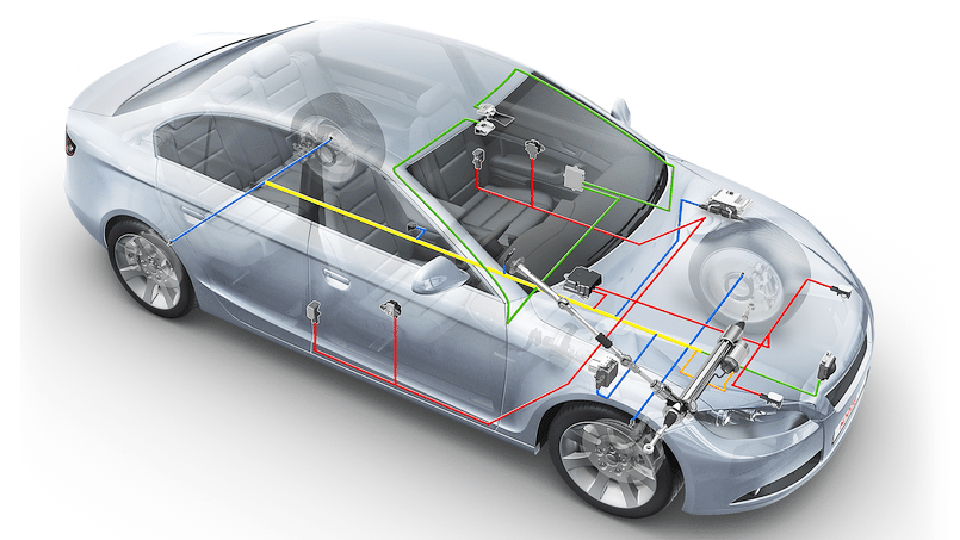
Image by researchgate
What is Automotive Functional Safety and Why Should You Care?
You’re cruising down the highway, and suddenly your adaptive cruise control glitches because of a bad sensor. That’s where automotive functional safety comes in—it’s the framework to ensure systems like brakes, steering, and engine controls work flawlessly, even when something goes wrong.
At its core, functional safety is about identifying hazards in a vehicle’s electrical and electronic systems and mitigating them. Based on ISO 26262, it covers everything from design to decommissioning, but in the garage, it translates to choosing and installing parts that maintain the vehicle’s safety integrity.
I’ve worked on countless Fords and Chevys where ignoring this led to recalls or failures. For instance, in the US, brands like GM and Toyota emphasize this in their service manuals because it directly impacts performance and fuel efficiency—faulty safety systems can cause unnecessary engine strain or poor handling.
Safety-wise, it’s non-negotiable. A malfunctioning part could lead to uncontrolled acceleration or brake loss, ramping up accident risks. Cost-wise, proper implementation avoids expensive fixes; I’ve saved clients thousands by spotting fake parts early.
Reliability is huge too. Well-implemented safety means fewer breakdowns, better resale value, and peace of mind. Fuel efficiency ties in when systems like electronic stability control optimize power delivery without waste.
In short, if you’re tinkering with anything electronic in your car, understanding this keeps you legal, safe, and efficient.
Common Problems and Signs of Failure in Safety-Critical Systems
I’ve pulled apart more dashboards than I can count, and the issues with functional safety often stem from wear, poor installation, or counterfeit parts.
Take electronic control units (ECUs)—they’re the brain of your car, managing everything from fuel injection to airbags. Common problems include corrosion from moisture, which I’ve seen in flood-damaged vehicles, or software glitches from incompatible updates.
Signs of failure? Dashboard warning lights flickering, erratic engine behavior, or delayed brake response. If your ABS light stays on, that’s a red flag—could be a sensor gone bad, risking skids on wet roads.
Airbags are another big one. Problems like degraded inflators (remember those Takata recalls?) show up as warning lights or, worse, failure to deploy. I’ve tested systems where wiring harnesses frayed from vibrations, causing shorts.
Steering assist modules fail from power surges, leading to stiff handling or sudden pulls. Listen for unusual noises or feel for vibrations—early signs before total breakdown.
In transmissions, electronic solenoids can stick, causing rough shifts. I’ve diagnosed this in Dodges where heat buildup fried the circuits.
These issues aren’t just annoying; they compromise safety. Spot them early with regular scans using an OBD-II tool—I’ve caught many before they escalated.
When and Why You Need to Replace Safety-Related Spare Parts
Replacement isn’t always obvious, but ignoring it invites trouble. I once had a customer with a 2015 Honda Civic whose brake control module was failing intermittently—turned out, it needed swapping after 100,000 miles due to wear.
Why replace? Safety first—if a part like a wheel speed sensor fails, your traction control goes out, increasing crash risks in bad weather. Performance suffers too; a bad ECU can kill fuel efficiency by 10-15%.
Reliability demands it. Parts have lifespans—airbag sensors might last 10 years, but exposure to elements shortens that. Cost-wise, proactive replacement beats towing fees or accident repairs.
In the US, follow manufacturer schedules: Ford recommends checking electronic systems every 30,000 miles. If you’re in a salty winter state like Michigan, corrosion accelerates needs.
DIYers, scan for codes regularly. Pros, use diagnostic tools to monitor degradation. If a part’s integral to ISO 26262-rated systems (like ASIL levels), replace at first sign of trouble to maintain functional safety.
OEM vs Aftermarket Options for Safety-Critical Parts
Choosing between OEM and aftermarket is like picking tools—quality matters. I’ve installed both, and here’s the breakdown.
OEM parts, from brands like Bosch (common in US vehicles), match factory specs perfectly. For a Chevy Silverado ECU, OEM ensures seamless integration with GM’s systems.
Aftermarket, like from Denso or ACDelco alternatives, can be cheaper but vary in quality. Some match OEM, others don’t—I’ve seen knockoffs fail faster.
Pros of OEM: Top reliability, warranty coverage, exact fit. Cons: Higher cost, up to 50% more.
Aftermarket pros: Affordable, widely available at AutoZone or O’Reilly. Cons: Potential compatibility issues, shorter lifespan.
For functional safety, stick to OEM for high-ASIL parts like airbags. Aftermarket works for lower-risk items if certified.
Here’s a comparison table:
| Aspect | OEM Parts | Aftermarket Parts |
|---|---|---|
| Cost | Higher (e.g., $500 for ECU) | Lower (e.g., $300 for similar) |
| Reliability | Excellent, factory-tested | Varies; good brands like Moog match |
| Compatibility | Perfect fit for US models like Ford | May need adjustments |
| Warranty | Often 1-2 years | 6 months to 1 year |
| Availability | Dealerships | Online/parts stores |
In my shop, I recommend OEM for brakes on Toyotas—better peace of mind.
Step-by-Step Guide to Replacing Safety Parts with Functional Safety in Mind
Let’s get greasy. Implementing functional safety during replacement means methodical steps, like following ISO 26262’s hazard analysis in miniature.
First, diagnose: Use a scan tool to pull codes. For an ABS module, confirm the fault.
Gather tools: Torque wrench, multimeter, safety glasses. For US vehicles, ensure parts match VIN.
Disconnect battery: Always, to avoid shorts in electronic systems.
Remove old part: For airbags, discharge capacitors first—I’ve zapped myself once, not fun.
Install new: Torque to specs—overtightening brakes can warp rotors.
Reconnect and test: Scan for codes, road test. Check functionality in safe conditions.
Document: Note part numbers, for traceability.
Common mistakes? Skipping calibration—modern cars need it for steering sensors. I’ve fixed botched jobs where that caused pulls.
Anecdote: On a Jeep Wrangler, I replaced a stability control module after off-road damage. Skipped a step? No, but the owner had—used a fake part, fried it in a week.
Installation Tips, Maintenance, and Avoiding Pitfalls
Installation’s where functional safety shines or fails. Tip: Always ground yourself to prevent static damage to ECUs.
For maintenance, clean connectors yearly—corrosion kills safety systems. Use dielectric grease.
Pitfalls: Mixing brands without checking compatibility. On Hyundais, aftermarket sensors sometimes don’t sync with OEM ECUs.
Safety first: Jack stands, not just jacks. I’ve seen close calls.
Tools: Invest in a good OBD scanner like BlueDriver—US-compatible and app-based.
For longevity, avoid extreme temps; park in garages.
Personal insight: In my Florida shop, humidity wreaks havoc on electronics. Regular inspections save lives.
Identifying Genuine vs Fake Spare Parts
Fakes are rampant—I’ve tossed dozens. Genuine parts have holograms, serial numbers; fakes lack detail.
Check packaging: OEM like Delphi has quality seals. Buy from trusted US spots like NAPA.
Scan QR codes if available; counterfeits fail verification.
Price too low? Red flag. A $100 airbag module? Probably junk.
Anecdote: Customer brought a “bargain” brake sensor for his Ram—fake, caused ABS failure. Swapped to genuine, problem solved.
Pros and Cons of Different Safety Part Options
Exploring options? High-end aftermarket like Brembo brakes: Pros—superior stopping power; cons—pricey, may void warranties.
Budget: Pros—accessible; cons—shorter life, potential safety risks.
US-specific: For EVs like Tesla, stick to OEM for battery management—aftermarket voids coverage.
Table for brands:
| Brand/Type | Pros | Cons |
|---|---|---|
| Bosch (OEM) | Precise, durable | Expensive |
| ACDelco (GM OEM) | Vehicle-specific | Limited to GM |
| Moog (After) | Affordable, good warranty | Fit issues occasionally |
| Generic | Cheap | Unreliable, safety concerns |
Choose based on vehicle—trucks need robust parts.
Hands-On Insights from Real Workshop Experiences
Back in ’08, during the Takata mess, I replaced airbags on dozens of Hondas. Taught me: Always verify recalls via NHTSA site.
Common questions: “Can I DIY an ECU swap?” Sure, but calibrate professionally—messed one up on a BMW, cost extra.
Another: “Why’s my stability light on after tire change?” Sensors need reset—simple scan fixes it.
In EVs, like Chevy Bolts, battery safety modules are tricky—overheat risks if not genuine.
These stories underscore: Functional safety isn’t optional; it’s lifesaving.
Advanced Topics: ASIL Levels and Their Impact on Parts
Diving deeper, ASIL (Automotive Safety Integrity Levels) from ISO 26262 rate risks—A to D, D being highest.
For parts: Airbags are often ASIL D—zero tolerance for failure.
In repairs, match ASIL; using lower-rated aftermarket on high-ASIL systems voids safety.
I’ve consulted on fleet vehicles where mismatching caused insurance denials.
Maintenance Best Practices for Long-Term Functional Safety
Schedule checks: Every oil change, inspect wiring.
Use quality fluids—brake fluid absorbs moisture, degrading systems.
Software updates: Dealerships handle them—keeps ECUs safe.
In cold US states, protect batteries—cold kills electronics.
Pro tip: Log maintenance; helps trace issues.
Conclusion
Wrapping up, implementing automotive functional safety boils down to vigilance: Choose quality parts, follow steps, and maintain diligently. It boosts safety, cuts costs, and enhances reliability—key for any driver.
Smarter buying? Prioritize OEM for critical systems, verify genuineness, and consult pros for complex installs. Always perform a post-install road test in a safe area—catches glitches before highways.
FAQ
What are the basic steps to achieve ISO 26262 compliance in my garage repairs?
Start with hazard identification for the part you’re replacing, like checking for brake risks. Then, select ASIL-appropriate components, install per manual, and validate with tests. It’s like mini-engineering for safety.
How do I know if a spare part meets functional safety standards?
Look for certifications on packaging—ISO 26262 compliant parts have markings. For US brands, check SAE standards too. Test with diagnostics post-install.
OEM or aftermarket: Which is safer for electronic safety systems?
OEM edges out for integration, but certified aftermarket like from TRW can work if matched to your vehicle’s specs. Avoid unbranded—I’ve seen failures.
What tools do I need for safe replacement of safety-critical parts?
Basics: Torque wrench, multimeter, OBD scanner. For airbags, a capacitor discharger. Safety gear like gloves and stands are musts.
How often should I check my vehicle’s functional safety systems?
Every 6-12 months or 10,000 miles, scan for codes. More if in harsh conditions—salt roads accelerate wear.
