
If you’ve ever faced an airbag warning light on your dashboard, you know how worrying it can be. The good news is that reprogramming your airbag module might be the solution—and it’s not as complicated as you think.
Understanding how to do this yourself can save you time, money, and stress. You’ll discover clear, step-by-step guidance to reprogram your airbag module safely and effectively. Keep reading, because mastering this skill could protect you and your loved ones every time you drive.

Credit: blog.myairbags.com
Airbag Module Basics
The airbag module is a key part of a vehicle’s safety system. It controls how airbags deploy during a crash. Understanding the basics of the airbag module helps you see why reprogramming may be needed. This section covers its role and common types found in cars today.
Role In Vehicle Safety
The airbag module detects collisions using sensors. It decides when to deploy airbags to protect passengers. Quick and accurate action can save lives in a crash. The module also communicates with other safety systems, like seatbelt pretensioners. It stores crash data used for repairs and diagnostics. Without this module, airbags would not function properly.
Common Module Types
Several types of airbag modules exist, based on vehicle design. The most common are single-stage and dual-stage modules. Single-stage deploy airbags at one speed and force. Dual-stage modules adjust deployment based on crash severity. Some newer cars use smart modules with advanced sensors. These modules offer better protection by customizing airbag deployment. Knowing the type helps when reprogramming or replacing the module.
When To Reprogram
Knowing when to reprogram your airbag module is important for safety. The airbag system relies on the module to work correctly. Sometimes, the module needs updates or resets to keep the system active and responsive. Missing the right time to reprogram can risk airbag failure or false warnings.
Signs Of Module Issues
Warning lights on your dashboard may indicate a problem. The airbag light might stay on or flash. This often means the module is not working right. Strange sounds during startup or error codes from a scan tool also point to issues. These signs suggest the module needs reprogramming or repair.
After Accidents Or Repairs
After a crash, the airbag module often needs reprogramming. The system may reset or lock itself to keep you safe. Repair work on the car’s electrical or safety system can change the module’s data. Reprogramming restores the correct settings. This step ensures airbags deploy properly in the future.
Tools Required
Reprogramming an airbag module needs specific tools. These tools help you access the module, change settings, and keep the process safe. Using the right tools makes the job easier and protects your vehicle’s safety system.
Diagnostic Scanners
Diagnostic scanners read the airbag module’s data. They find error codes and clear them after reprogramming. A good scanner connects to your vehicle’s OBD-II port. It shows real-time information and helps check if the module works well.
Programming Software
Programming software allows you to update the airbag module’s firmware. It sends new data to the module. The software often requires a laptop or tablet. Make sure it matches your car’s make and model for correct updates.
Safety Equipment
Safety equipment protects you during reprogramming. Use anti-static gloves to avoid damaging electronics. Disconnect the car battery before starting work. Safety glasses and a well-ventilated space reduce risks further.

Credit: blog.myairbags.com
Preparation Steps
Preparing to reprogram an airbag module requires careful steps. These steps ensure safety and proper functioning. Follow each step closely before starting the reprogramming process.
Disconnecting The Battery
Always disconnect the battery before working on the airbag module. This prevents accidental deployment of the airbag. Use a wrench to remove the negative battery cable. Wait at least 10 minutes after disconnection. This allows the system to fully power down.
Locating The Module
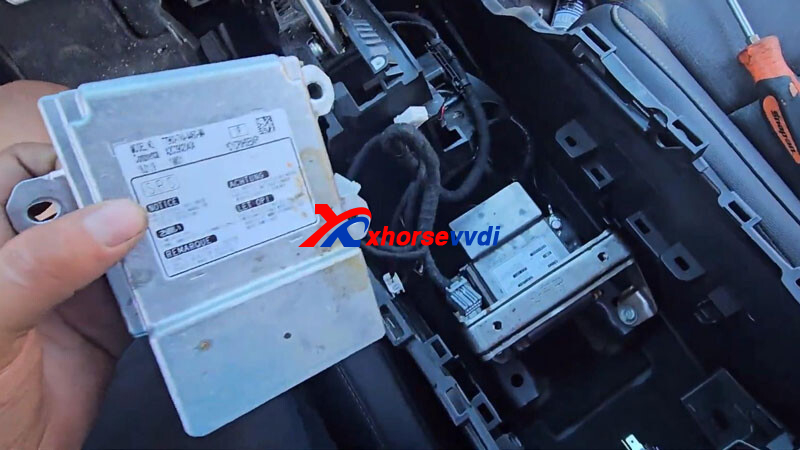
Find the airbag module inside your vehicle. It is usually under the center console or behind the dashboard. Consult your vehicle manual for exact location. Handle the module carefully to avoid damage. Keep track of screws and connectors when removing it.
Reading Error Codes
Use an OBD-II scanner to read airbag error codes. These codes help diagnose issues with the module. Connect the scanner to the car’s diagnostic port. Turn the ignition on without starting the engine. Follow the scanner instructions to retrieve codes. Write down the codes for reference during reprogramming.
Reprogramming Process
The reprogramming process is key to ensuring your airbag module works correctly. It updates the module’s software to match your vehicle’s current needs. This process keeps the airbag system ready to protect you during a crash.
Each step in reprogramming must be done carefully. Using the right tools and software helps avoid errors. The process includes connecting diagnostic tools, uploading new software, and verifying the module’s function.
Connecting Diagnostic Tools
Start by connecting a diagnostic tool to your car’s OBD-II port. This port is usually under the dashboard. The tool communicates with the airbag module. It reads the current software and checks for issues.
Make sure the tool is compatible with your vehicle. A proper connection ensures smooth data transfer. Turn the car’s ignition to the ON position but do not start the engine.
Uploading New Software
Next, upload the new software to the airbag module. The diagnostic tool sends the updated program to the module. This step may take several minutes. Avoid turning off the ignition during uploading.
The new software contains the latest safety features and fixes. It is important to use software from the vehicle manufacturer. This prevents damage or malfunction in the airbag system.
Verifying Module Function
After uploading, verify that the module works properly. The diagnostic tool runs tests and checks for error codes. Clear any stored faults if needed. The airbag warning light should turn off.
Perform a final check to confirm the system’s readiness. This step ensures your airbag will deploy correctly in an accident. Proper verification keeps you safe on the road.
Troubleshooting Tips
Troubleshooting is a key step in reprogramming an airbag module. Problems can arise during the process. Identifying and fixing these issues saves time and effort. Clear steps help avoid damage and ensure safety. The following tips focus on common problems and their solutions.
Handling Communication Errors
Communication errors occur when the diagnostic tool cannot connect to the airbag module. Check the cable connections first. Loose or damaged cables often cause connection failures. Use a different cable if needed. Verify the tool’s software is updated. Old software may not recognize newer modules.
Turn off the vehicle’s ignition before connecting the tool. This avoids interference. Restart the tool and try again. Sometimes, a simple reset solves the issue. If errors persist, check the vehicle’s fuse related to the airbag system.
Resetting The System
Resetting the airbag system clears previous error codes. Use the diagnostic tool to access the reset option. Follow on-screen instructions carefully. Do not disconnect the battery during this process.
After reset, turn off the ignition and wait a few minutes. This allows the system to stabilize. Turn the ignition back on and check for new codes. A successful reset means the system is ready for reprogramming. If errors remain, repeat the reset or consult the user manual.
Safety Precautions
Working on an airbag module requires careful attention to safety. The airbag system is sensitive and can deploy suddenly. This can cause serious injuries or damage. Taking safety precautions protects you and the vehicle during reprogramming.
Avoiding Accidental Deployment
Disconnect the vehicle battery before starting any work. Wait at least 10 minutes to let the system power down. Never use metal tools near the airbag connectors. Keep your face and body away from the airbag module. Use insulated tools to reduce the risk of short circuits. Avoid static electricity by grounding yourself before handling parts.
Proper Grounding Techniques
Grounding prevents electrical shocks and accidental airbag deployment. Use a grounding strap connected to the vehicle’s metal frame. Touch a metal part of the car to discharge static electricity. Work in a dry environment to avoid static buildup. Avoid wearing synthetic clothes that generate static. Proper grounding keeps you and the module safe during reprogramming.
Professional Help
Reprogramming an airbag module is a task that requires skill and precision. Mistakes can cause serious safety issues. Seeking professional help ensures the job is done correctly and safely. Experts have the right tools and knowledge to handle complex airbag systems. They follow proper procedures to avoid errors that could affect your vehicle’s safety.
When To Consult Experts
Consult experts if you notice airbag warning lights on your dashboard. Also, seek help after a collision or airbag deployment. Professionals should handle any airbag module issues. Avoid DIY fixes for airbag systems. Incorrect reprogramming may cause airbags to fail in emergencies. Safety is too important to risk.
Choosing A Reliable Service
Pick a service center with certified technicians. Check for experience with your vehicle’s make and model. Look for positive customer reviews and feedback. Choose shops that use updated software and tools. Reliable services provide clear estimates and warranties. Trustworthy experts explain the process and answer your questions.
Credit: blog.xhorsevvdi.com
Frequently Asked Questions
What Tools Are Needed To Reprogram An Airbag Module?
To reprogram an airbag module, you need a compatible diagnostic scanner, a laptop with reprogramming software, and a stable power source. Ensure the software matches your vehicle’s make and model for accurate programming and safety.
How Long Does Airbag Module Reprogramming Take?
Reprogramming an airbag module usually takes between 30 to 60 minutes. The duration depends on the vehicle model, software speed, and the technician’s experience. Always allow extra time for troubleshooting or calibration.
Can I Reprogram The Airbag Module Myself?
Yes, if you have the right tools and software, you can reprogram it. However, it requires technical knowledge and precision to avoid safety risks. Professional assistance is often recommended to ensure proper function.
Why Is Airbag Module Reprogramming Necessary?
Reprogramming is necessary after airbag deployment, module replacement, or software updates. It resets fault codes and ensures the airbag system functions correctly for driver and passenger safety.
Conclusion
Reprogramming your airbag module keeps your car safe and working well. Follow the steps carefully to avoid mistakes. Use the right tools and take your time. This task helps your vehicle respond properly during emergencies. Always check for error codes after programming.
Trust your skills and stay patient throughout the process. Safety matters most, so do not rush. Keep learning and practicing to improve. Your car’s airbag system protects lives. Simple steps can make a big difference.