
Is your car refusing to start because of a bad alternator? You’re not alone, and the good news is, you don’t have to be stranded or call for expensive help right away.
Knowing how to start your car with a faulty alternator can save you time, money, and a lot of frustration. You’ll discover simple, step-by-step tricks to get your engine running when your alternator lets you down. Keep reading, because these easy tips could be the difference between being stuck and getting back on the road quickly.
Signs Of A Bad Alternator
Knowing the signs of a bad alternator can save you from getting stuck. The alternator charges the battery and powers the electrical system. When it fails, your car will show clear signals. Watch for these common signs to spot trouble early.
Dim Or Flickering Lights
Headlights and dashboard lights may dim or flicker. This happens because the alternator is not providing enough power. You might notice the lights change brightness when you rev the engine. It means the alternator is struggling to keep up.
Battery Warning Light
The battery warning light on your dashboard often comes on. This light signals a problem with the charging system. It does not always mean the battery is bad. It may mean the alternator cannot charge the battery properly.
Electrical Failures
Electrical parts like radio, power windows, or air conditioning may act up. They might stop working or work slowly. A failing alternator cannot supply enough electricity to these parts. This causes glitches and performance issues.
Strange Noises
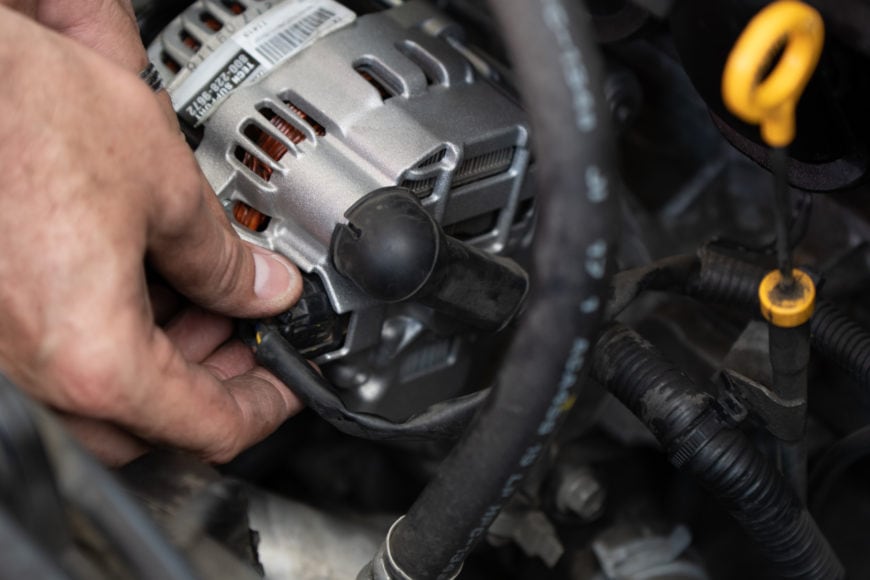
Listen for unusual sounds like grinding or whining from the engine area. These noises can come from the alternator bearings or belt. A bad alternator often makes strange noises before it stops working. This is a warning to get it checked soon.
Credit: statustest.amherst.edu
Why A Bad Alternator Affects Starting
A bad alternator can stop your car from starting. It plays a key role in keeping your car’s battery charged. Without a working alternator, the battery loses power quickly. This makes it hard to start the engine. Understanding why a bad alternator affects starting helps you spot the problem early.
Battery Drain Issues
The alternator charges the battery while driving. It replaces the power the battery uses. A bad alternator cannot recharge the battery properly. The battery drains fast and loses energy. When you try to start the car, the battery is too weak. This causes slow or no engine start. Drained batteries need a jump start or replacement.
Insufficient Power Supply
The alternator supplies power to all electrical parts. Lights, radio, and ignition need this power. A failing alternator cannot give enough electricity. The car’s systems work poorly or shut down. The starter motor needs strong power to turn the engine. Without enough power, the engine won’t crank. This makes starting the car difficult or impossible.
Temporary Ways To Start Your Car
Starting a car with a bad alternator can be tricky. The alternator charges the battery and powers the electrical system. When it fails, the battery drains quickly. This means the car might not start or run for long. There are some temporary ways to get your car going until you fix the alternator. These methods can help in emergencies or short trips.
Jump-starting The Battery
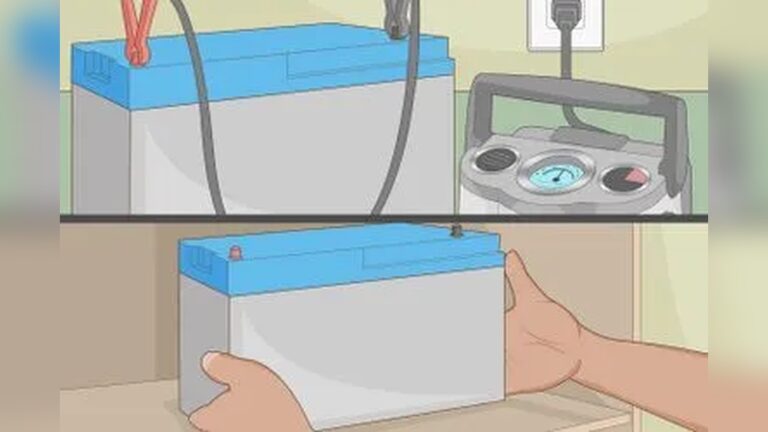
Jump-starting uses another car’s battery to start your engine. You need jumper cables and a working car nearby. Connect the cables carefully: positive to positive, negative to negative. Let the working car run for a few minutes. Then try starting your car. This gives your battery a quick boost. It is a simple and common way to start a car with a weak battery.
Using A Portable Battery Pack
A portable battery pack can start your car without another vehicle. These packs are small and easy to carry. Connect the pack’s clamps to your battery terminals. Make sure positive goes to positive and negative to negative. Turn on the pack and start your engine. Portable packs work well for quick starts. Keep one in your car for emergencies.
Push Start For Manual Cars
Push starting works only with manual transmissions. You need help from one or two people. Turn the ignition to the “on” position. Push the car until it gains speed. Quickly release the clutch while pressing the gas pedal. This can start the engine without using the battery much. It’s a useful trick if the battery is low and the alternator is bad.
Credit: www.autozone.com
Precautions When Starting With A Bad Alternator
Starting a car with a bad alternator needs care. The alternator charges the battery and powers the electrical system. If it fails, the battery can drain fast. Taking precautions helps avoid bigger problems and keeps the car running longer.
Avoid Long Drives
Do not drive far with a bad alternator. The battery may die before you reach your destination. Short trips reduce the risk of getting stranded. Plan to fix the alternator soon.
Minimize Electrical Load
Turn off all non-essential electrical devices. Avoid using the radio, air conditioner, or headlights unnecessarily. Lowering the load saves battery power. This helps the car start and run longer.
Monitor Battery Health
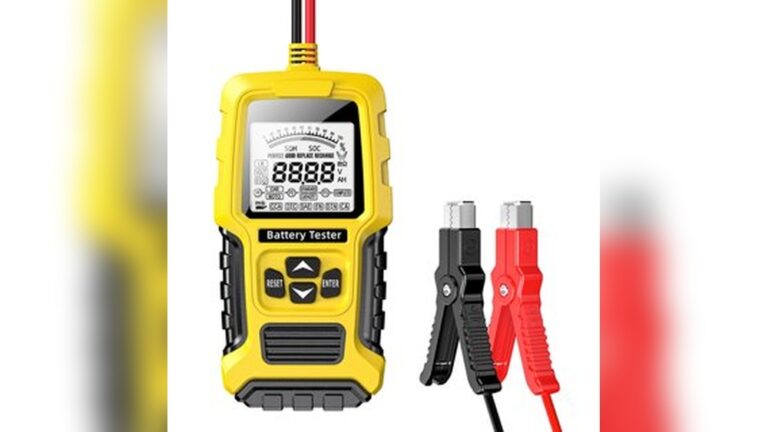
Check the battery’s charge often. Use a voltmeter if possible. A weak battery may not start the car. Replace the battery if it cannot hold a charge. This prevents sudden breakdowns.
Fixing Or Replacing The Alternator
Fixing or replacing the alternator is a key step to start a car with a bad alternator. The alternator charges the battery and powers the electrical system. A faulty alternator means the battery will drain fast. This leaves the car unable to start or run properly.
Knowing how to handle alternator issues saves time and money. Sometimes, small repairs can bring it back to life. Other times, a full replacement is necessary. Understanding the problem helps decide the best action.
Diagnosing Alternator Problems
Check for dim lights or electrical failures. Listen for strange noises near the engine. Use a multimeter to test the battery voltage. A healthy alternator shows 13.5 to 14.5 volts. Lower or higher readings point to trouble. Also, watch for warning lights on the dashboard.
Diy Repair Tips
Start by cleaning the alternator and battery terminals. Tighten loose connections to ensure good contact. Replace worn-out belts that drive the alternator. Check the fuses and replace any blown ones. Use a voltage regulator if the alternator output is unstable. Small fixes often restore basic function.
When To See A Mechanic
Seek professional help if the alternator still fails after repairs. Strange noises or burning smells need expert attention. A mechanic can test the alternator deeply. They can replace parts or install a new unit. Complex electrical problems require special tools and skills.
Preventing Alternator Failure
Preventing alternator failure helps keep your car starting smoothly. The alternator charges the battery and powers the electrical system. If it fails, the car may not start or run properly. Taking steps to protect your alternator saves time and money. Simple habits can extend its life and avoid breakdowns.
Regular Maintenance
Check the alternator belt for wear and tightness. A loose or worn belt can reduce charging power. Inspect the alternator itself for dirt or damage. Clean dust and debris that block airflow. Have a mechanic test the alternator output during service visits. Early detection of issues prevents bigger problems.
Battery Care
Keep the battery terminals clean and tight. Corrosion can affect charging and strain the alternator. Check the battery voltage regularly with a tester. Replace old or weak batteries promptly. A failing battery forces the alternator to work harder. Proper battery care reduces alternator stress.
Avoiding Electrical Overloads
Turn off electrical devices when the engine is off. High power draw without the engine running can drain the battery. Do not add too many aftermarket electronics. Extra loads increase alternator workload. Use accessories wisely to prevent overloading the electrical system.
Credit: www.thegeneral.com
Frequently Asked Questions
How Can I Start A Car With A Bad Alternator?
You can jump-start the car using jumper cables and another vehicle. Drive immediately to recharge the battery. Avoid turning off the engine until the alternator is fixed.
Will A Dead Alternator Drain My Car Battery?
Yes, a bad alternator won’t charge the battery. This causes the battery to drain quickly and fail to start the car.
Can I Drive With A Faulty Alternator?
You can drive short distances, but the car may stall. Get the alternator checked and replaced to avoid breakdowns.
How To Tell If My Alternator Is Bad?
Look for dim lights, warning battery light on dashboard, or electrical issues. These signs indicate a failing alternator needing attention.
Conclusion
Starting a car with a bad alternator can be tricky but doable. Use the right steps to avoid damage and keep safe. Keep a charged battery ready as a backup plan. Get your alternator checked or fixed soon to prevent problems.
Knowing how to handle this issue helps you stay prepared. Drive carefully until the alternator works properly again. Small efforts now save bigger troubles later. Stay calm, follow the tips, and keep your car running.