
Are you unsure about which brakes are best for your car? Choosing the right brakes is crucial for your safety and your vehicle’s performance.
The right brakes help you stop smoothly, avoid accidents, and save money in the long run. You’ll discover exactly what to look for when picking brakes that fit your car and driving style. Keep reading—you’ll soon feel confident making the best choice to keep you and your passengers safe on the road.

Credit: www.carfax.com
Types Of Car Brakes
Car brakes are vital for safety and control. Knowing the types helps you choose the right one. Each brake type works differently and fits specific vehicles. Understanding these can improve your car’s performance and safety.
Disc Brakes
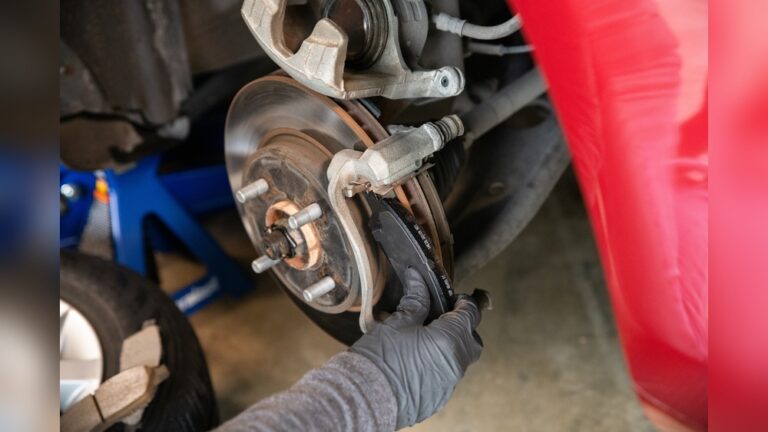
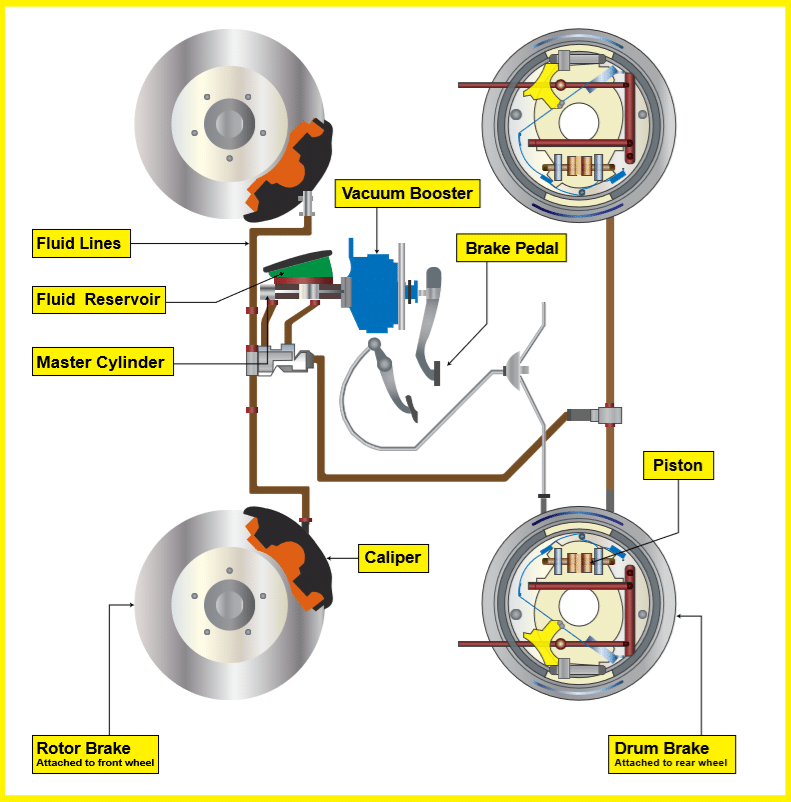
Disc brakes are common in modern cars. They use a metal disc and pads to stop the wheel. When you press the brake pedal, the pads squeeze the disc. This action slows down or stops the car quickly. Disc brakes work well in wet and dry conditions. They also cool down faster, reducing brake fade.
Drum Brakes
Drum brakes are older but still found in some cars. They have a drum that turns with the wheel. Inside the drum, brake shoes press outward to stop the wheel. Drum brakes cost less to make and repair. They work well for parking brakes and rear wheels. They may not cool as fast as disc brakes.
Abs Systems
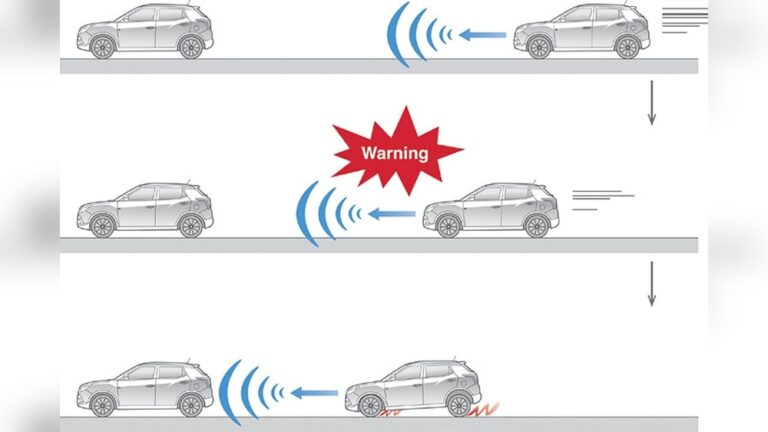
ABS stands for Anti-lock Braking System. It prevents the wheels from locking during hard braking. This helps you keep control and steer safely. ABS uses sensors to monitor wheel speed. It quickly releases and applies brakes to avoid skidding. Most new cars have ABS for better safety.
Factors Influencing Brake Choice
Choosing the right brakes for your car depends on several important factors. Each factor affects how well your brakes perform and how long they last. Understanding these factors helps you pick the best brake system for your needs.
Vehicle Type And Usage
Different vehicles need different brakes. A small car uses lighter brakes than a large truck. How you use your vehicle also matters. Daily city driving needs different brakes than towing or off-road driving. Match the brake type to your vehicle size and use for safety.
Driving Conditions
Brakes must suit the roads and weather where you drive. Wet, icy, or hilly areas need brakes that handle heat and moisture well. Stop-and-go traffic wears brakes faster. Choose brakes that perform well in your usual driving conditions for better control.
Budget Considerations
Brake systems vary in price. High-performance brakes cost more but last longer and work better. Budget brakes are cheaper but may wear out faster. Find a balance between cost and quality. Spend wisely to keep your car safe without overspending.
Brake Pad Materials
Brake pads play a key role in stopping your car safely. The material of brake pads affects their performance, noise, and lifespan. Choosing the right brake pad material helps improve your driving experience and safety.
Each type of brake pad material has unique features. Understanding these can help you pick the best option for your car and driving needs.
Organic Pads
Organic brake pads are made from natural fibers and resins. They are soft and quiet when braking. These pads wear faster but cause less wear on brake rotors. Ideal for everyday city driving and light use.
Semi-metallic Pads
Semi-metallic pads contain metal fibers mixed with other materials. They offer strong stopping power and last longer than organic pads. These pads can be noisier and produce more dust. Suitable for heavier vehicles and more aggressive driving.
Ceramic Pads
Ceramic brake pads use ceramic fibers and filler materials. They are very quiet and produce less dust. Ceramic pads last longer and handle heat well. Often chosen for smooth braking and better performance in various conditions.

Credit: www.familyhandyman.com
Signs You Need New Brakes
Brakes are one of the most important parts of your car. They keep you safe on the road. Knowing the signs that your brakes need replacing can prevent accidents. These signs often appear before a total brake failure. Pay attention to any changes in how your brakes feel or sound.
Squeaking Or Grinding Noises
A high-pitched squeak usually means your brake pads are worn out. The sound comes from a small metal indicator. It warns you to replace the pads soon. Grinding noises mean the brake pads are gone. Metal parts are rubbing, which can damage the rotors. Do not ignore these sounds. They show your brakes need help now.
Reduced Responsiveness
Your car should stop quickly when you press the brake pedal. If it takes longer, the brakes may be weak. A soft or spongy pedal feel also signals a problem. This can happen from air in the brake lines or worn parts. Reduced responsiveness means your car is less safe. Check your brakes immediately.
Vibration Or Pulling
Vibrations in the brake pedal or steering wheel can mean warped rotors. This happens from heat damage or wear. Pulling to one side when braking shows uneven brake force. It may come from brake caliper issues or uneven pad wear. Both vibrations and pulling affect control. Fix these problems as soon as possible.
Upgrading For Performance
Upgrading your car’s brakes improves safety and driving experience. Better brakes help stop your car faster and handle heat well. This matters if you drive fast or carry heavy loads. Upgrading means choosing the right parts for your needs.
High-performance Brake Kits
High-performance brake kits include stronger calipers and pads. They provide better grip and resist fading from heat. These kits suit sporty cars and heavy vehicles. Installation is usually straightforward but may need extra tools.
Brake Fluid Types
Brake fluid transfers pressure to stop your car. Different types handle heat and moisture differently. DOT 3 and DOT 4 are common and easy to find. DOT 5 is silicone-based and does not absorb water. Choose fluid that matches your brake parts and driving style.
Rotor Options
Rotors come in various designs for different needs. Solid rotors are simple and affordable. Drilled rotors help cool brakes faster by releasing heat. Slotted rotors clear away dust and water for better grip. Pick rotors that fit your driving conditions and vehicle model.
Maintenance Tips For Brake Longevity
Brake maintenance helps keep your car safe and extends brake life. Simple care steps prevent costly repairs and improve driving comfort. Knowing how to care for brakes makes a big difference in performance and safety.
Regular Inspections
Check brakes often for wear and damage. Look for squeaking sounds or a soft brake pedal. Inspect brake pads and discs for thin spots or cracks. Early checks catch problems before they get worse. Visit a mechanic if you see uneven wear or hear strange noises.
Brake Fluid Replacement
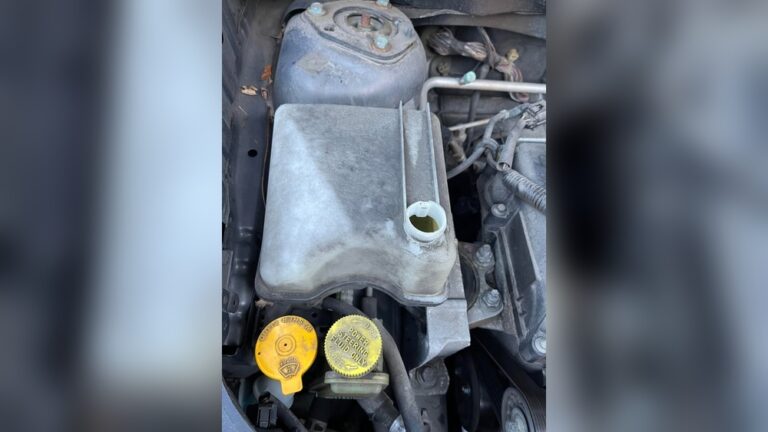
Brake fluid carries force to the brakes. It collects moisture over time, which can reduce brake power. Change brake fluid every two years or as your car manual says. Fresh fluid helps brakes work smoothly and stops corrosion inside the system. Use the fluid type recommended by your car maker.
Cleaning And Lubrication
Dirt and rust can cause brakes to stick or wear unevenly. Clean brake parts with brake cleaner spray to remove dust and grime. Lubricate moving parts like caliper pins using high-temperature grease. This reduces friction and noise. Proper cleaning and lubrication keep brakes working quietly and efficiently.
Safety Considerations
Choosing the right brakes for your car is about more than just performance. Safety is the top priority. Good brakes protect you, your passengers, and others on the road. Always focus on safety before anything else.
Proper brakes help stop your car quickly and avoid accidents. They work best when installed correctly and match your vehicle. Understanding safety aspects can keep you safe every drive.
Professional Installation
Brakes must be installed by a skilled mechanic. Incorrect installation can cause brake failure. Professionals ensure parts fit perfectly and work well. They check every detail to keep brakes safe and reliable.
Compatibility Checks
Not all brakes fit every car. Check if the brake parts match your car model. Using the wrong brakes can cause damage and reduce stopping power. Always verify compatibility before buying new brakes.
Emergency Preparedness
Good brakes help you stop in emergencies. Test your brakes regularly for wear and tear. Keep brake fluid at the right level. Being ready can prevent accidents and save lives.
Credit: www.prestoneuk.com
Frequently Asked Questions
What Types Of Brakes Are Best For Daily Driving?
For daily driving, ceramic brake pads are ideal. They offer quiet operation, low dust, and long lifespan. They provide reliable stopping power in normal conditions without excessive wear on rotors.
How Do I Choose Brakes For My Car Model?
Check your car’s manual for recommended brake types. Consider your driving style and conditions. Consult a professional if unsure about compatibility and safety.
When Should I Upgrade To Performance Brakes?
Upgrade if you drive aggressively or tow heavy loads. Performance brakes offer better heat resistance and stopping power. They enhance safety during demanding driving.
Are Ceramic Brakes Better Than Semi-metallic Ones?
Ceramic brakes are quieter and cleaner but cost more. Semi-metallic brakes provide strong stopping power and durability. Choose based on your budget and driving needs.
Conclusion
Choosing the right brakes keeps your car safe and reliable. Different cars need different brake types. Consider your driving style and car model carefully. Good brakes help stop your car quickly and smoothly. Regular maintenance extends brake life and performance.
Always pick quality parts for better safety. Understanding brake options helps make smart decisions. Your car deserves brakes that match its needs. Stay safe on the road with proper brakes. Simple steps lead to safer drives every day.