
Have you ever wondered what new spark plugs can actually do for your car? If your engine feels sluggish or you notice rough starts, the problem might be closer than you think.
Spark plugs play a crucial role in keeping your car running smoothly, but many people overlook them until problems arise. You’ll discover how fresh spark plugs can boost your car’s performance, improve fuel efficiency, and even save you money on repairs.
Keep reading to learn why paying attention to your spark plugs could be one of the smartest moves for your car’s health.
Credit: www.msn.com
Role Of Spark Plugs
Spark plugs are small parts but very important for your car’s engine. They help start the engine and keep it running smoothly. Without good spark plugs, your engine may misfire or run poorly. New spark plugs make sure your car works well and uses fuel efficiently.
Understanding how spark plugs work shows why they matter for your car’s performance. They create the spark that lights up the fuel inside the engine. This spark is the start of the power that moves your car forward.
How Spark Plugs Work
Spark plugs sit in the engine’s cylinder head. They receive electricity from the ignition system. This electricity jumps across a small gap at the plug’s tip. The jump creates a spark. This spark ignites the fuel and air mix inside the cylinder.
The burning fuel creates pressure. This pressure pushes the piston down. The piston’s movement turns the engine’s crankshaft. This process repeats many times per second while the engine runs. Good spark plugs make sure the spark happens at the right time.
Importance In Engine Performance
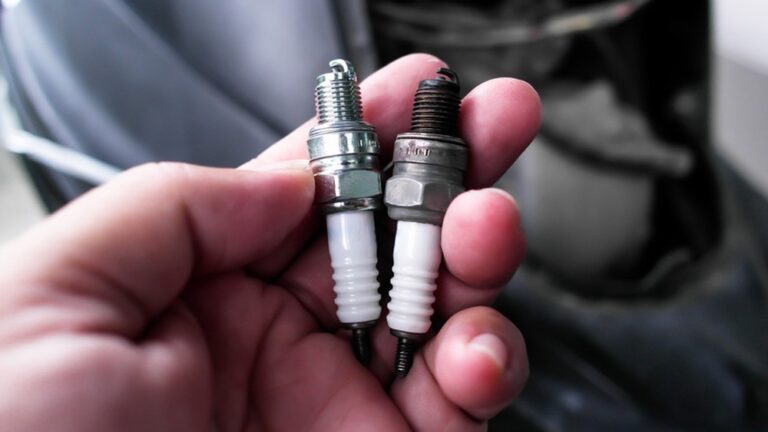
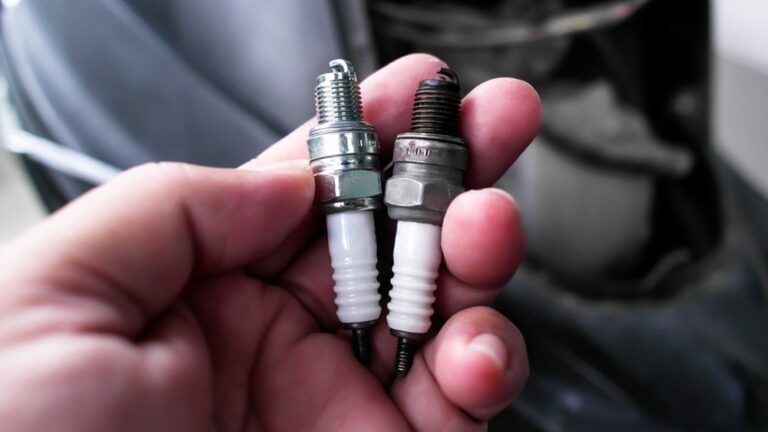
New spark plugs help the engine start easily. They also improve fuel efficiency by burning fuel fully. Old or worn spark plugs may cause misfires or rough idling. This leads to lower power and higher fuel use.
Replacing spark plugs keeps your engine smooth and strong. It reduces harmful emissions and helps your car run cleaner. Regularly checking spark plugs is a simple way to protect your engine’s health.
Signs You Need New Spark Plugs
New spark plugs keep your engine running smooth and strong. They create the spark that starts the fuel burning process inside your car’s engine. Over time, spark plugs wear out. This wear can cause problems that affect how well your car runs. Recognizing the signs can help you replace them on time and avoid bigger issues.
Here are some clear signs that your car needs new spark plugs.
Engine Misfires
Engine misfires happen when spark plugs fail to ignite the fuel properly. You might feel a sudden jerk or hesitation while driving. The engine may run rough or shake. These signs often mean the spark plugs are dirty or worn out.
Poor Fuel Economy
Worn spark plugs cause incomplete fuel burning. This wastes fuel and lowers your car’s mileage. You might notice more trips to the gas station. New spark plugs help your engine burn fuel fully and save money.
Difficulty Starting
Old spark plugs can make starting your car hard. The engine may crank longer or fail to start quickly. This happens because worn plugs create weak sparks. Replacing them makes starting smooth and fast again.
Benefits Of New Spark Plugs
New spark plugs play a key role in your car’s performance. They help your engine run better and save fuel. Replacing old spark plugs brings many benefits. These parts ensure your car operates smoothly and cleanly.
Improved Fuel Efficiency
New spark plugs help burn fuel more completely. This means your engine uses less gas for the same power. Better fuel use saves money at the pump. It also reduces how often you need to fill up.
Smoother Engine Operation
Fresh spark plugs give a stronger spark. This makes the engine start easily and run without jerks. You feel fewer vibrations and hear less noise. The car drives more smoothly on every trip.
Reduced Emissions
Clean sparks lower harmful gases from your car. New spark plugs cut down on smoke and bad smells. This helps keep air cleaner and meets pollution rules. A cleaner engine is better for the environment.

Credit: www.jalopnik.com
Types Of Spark Plugs
Spark plugs are small parts, but they have a big job in your car. They create the spark that starts the engine’s power cycle. Different types of spark plugs work in different ways. Choosing the right type can improve your car’s performance and fuel efficiency. Understanding the main types helps you pick the best one for your vehicle.
Copper Vs Platinum Vs Iridium
Copper spark plugs are the oldest type. They have a solid copper core for good heat transfer. Copper plugs are cheaper but wear out faster. They work well in older cars and simpler engines.
Platinum spark plugs last longer than copper ones. They have a thin platinum coating on the electrode. This coating helps resist wear and heat better. Platinum plugs suit modern engines and give a smoother ride.
Iridium spark plugs use a very hard metal on the electrode. Iridium is stronger and lasts the longest. These plugs need less voltage to create a spark. Cars with high-performance engines often use iridium plugs for better efficiency.
Choosing The Right Spark Plug
Check your car’s manual for recommended spark plugs. Using the wrong type can cause poor engine performance. Consider your car’s age, engine type, and driving style. Copper plugs fit older engines. Platinum and iridium suit newer cars better.
Think about how often you drive and where. Long trips may benefit from longer-lasting plugs. Short trips might not need expensive types. Always replace spark plugs at the right time to keep your engine strong.
Installation And Maintenance
Installing and maintaining new spark plugs is key to keeping your car running well. Spark plugs help your engine start and work smoothly. Regular care improves fuel efficiency and reduces engine problems. Proper installation ensures your car runs without misfires or rough idling.
When To Replace Spark Plugs
Check your car manual for the replacement schedule. Most spark plugs last between 30,000 and 100,000 miles. Signs to replace include poor fuel economy, engine misfires, and slow acceleration. Worn spark plugs cause rough engine performance and hard starts. Replacing them on time saves money on bigger repairs later.
Diy Vs Professional Replacement
Changing spark plugs yourself can save money if you have the right tools. You need a spark plug socket, ratchet, and gap gauge. Follow the engine manual for correct spark plug gap and torque. Professional mechanics have experience and special tools. They can spot other engine issues during replacement. Choose based on your skill, tools, and comfort level.

Credit: www.reddit.com
Frequently Asked Questions
What Do New Spark Plugs Improve In A Car?
New spark plugs boost engine performance by ensuring efficient fuel combustion. They enhance power, fuel economy, and reduce emissions, leading to smoother rides and lower maintenance costs.
How Often Should Spark Plugs Be Replaced?
Spark plugs should typically be replaced every 30,000 to 100,000 miles, depending on the type and vehicle model. Regular replacement prevents misfires and maintains optimal engine function.
Can New Spark Plugs Increase Fuel Efficiency?
Yes, new spark plugs improve fuel efficiency by delivering a stronger, consistent spark. This optimizes combustion, reduces fuel waste, and helps save money on gas over time.
What Symptoms Indicate Worn Spark Plugs?
Symptoms include engine misfires, rough idling, poor acceleration, and increased fuel consumption. If your car shows these signs, it might be time to replace the spark plugs.
Conclusion
New spark plugs help your car run smoothly and start easily. They improve fuel use and reduce engine trouble. Fresh spark plugs also lower harmful emissions and boost power. Changing them on time saves money on repairs later. Keep your car healthy by checking spark plugs regularly.
Small parts, big difference. Your engine will thank you.