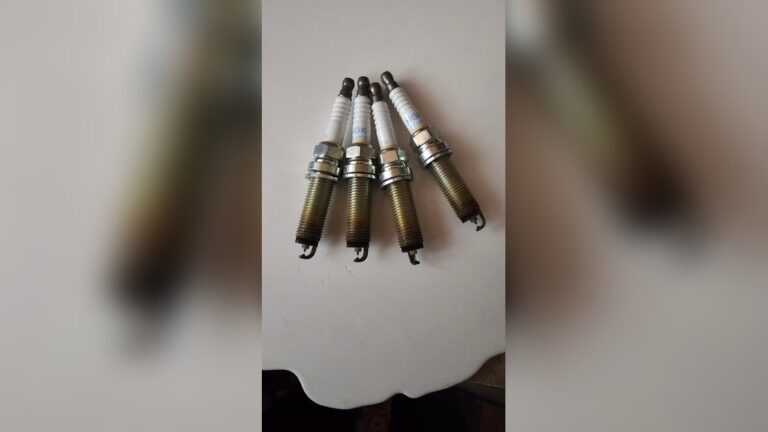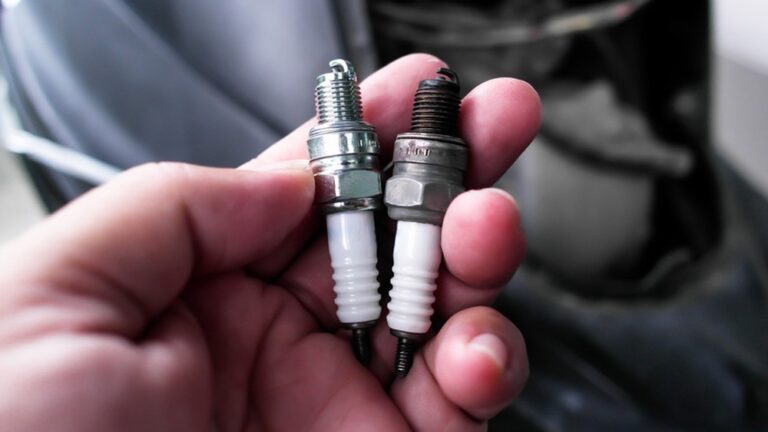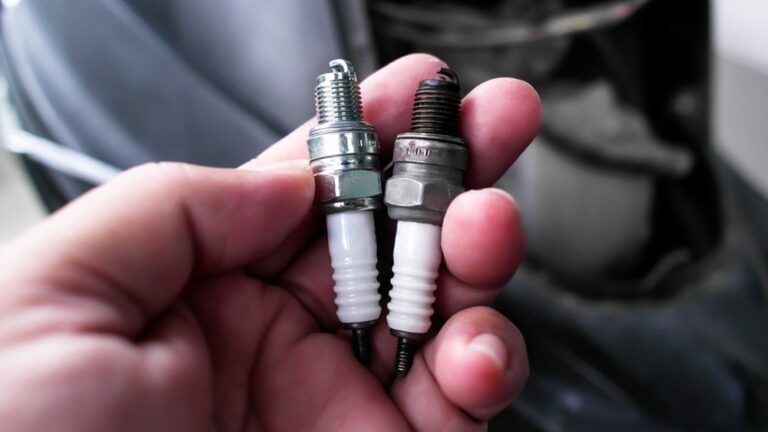

Have you ever noticed strange noises coming from your car’s engine but didn’t know what they meant? If your spark plugs are going bad, your car might sound rough, shaky, or just plain off.
These sounds are more than just annoying—they’re your car’s way of telling you something isn’t right. Understanding what a bad spark plug sounds like can save you time, money, and stress down the road. Keep reading to discover the key signs your spark plugs need attention and how to catch problems early before they get worse.
Your car—and your wallet—will thank you.
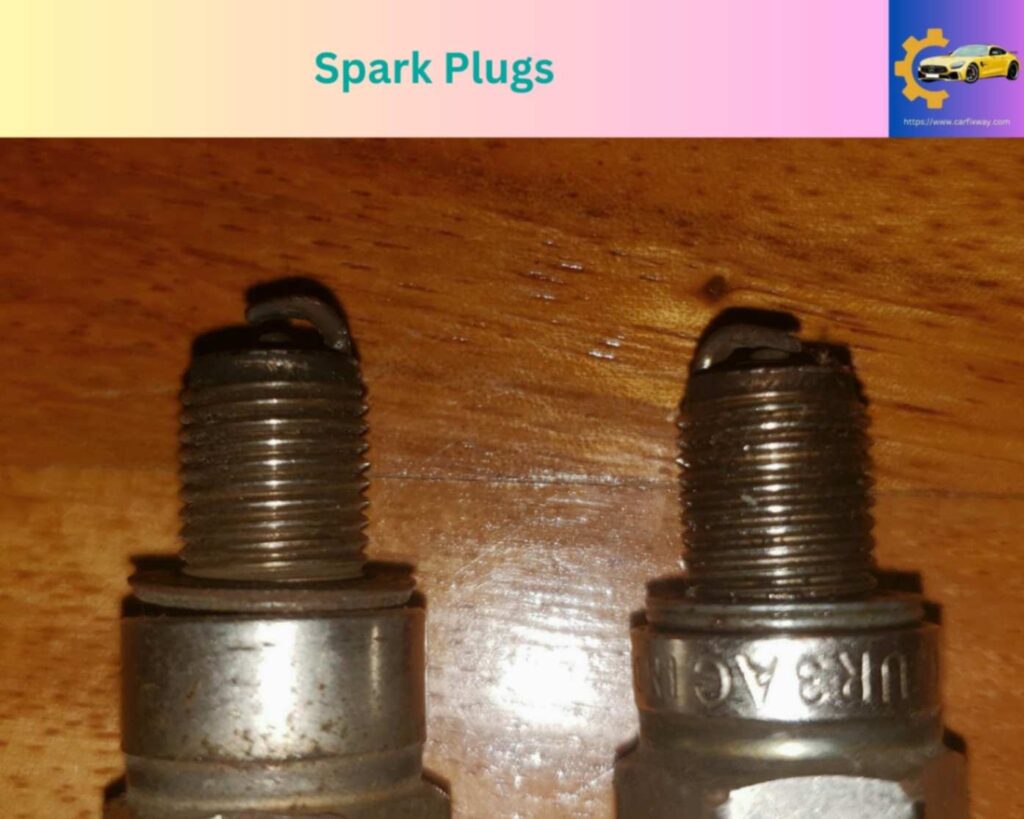
Credit: www.carfixway.com
Signs Of Bad Spark Plugs
Bad spark plugs affect your car’s engine and sound. They cause issues that you can notice easily. Spotting these signs early helps avoid bigger problems. Here are common signs of bad spark plugs.
Engine Misfires
Engine misfires happen when spark plugs fail to ignite the fuel properly. The engine may jerk or shake. You might hear a popping or sputtering sound. Misfires lower engine power and fuel efficiency.
Rough Idling
Rough idling feels like the engine is shaking or running unevenly. The car may vibrate more than usual when stopped. This happens because spark plugs cannot keep a steady spark. Rough idling can make driving uncomfortable.
Poor Acceleration
Poor acceleration means the car struggles to speed up. The engine may hesitate or feel weak when you press the gas. Bad spark plugs cause incomplete combustion, reducing power. This makes overtaking or driving uphill difficult.

Credit: www.reddit.com
Common Car Sounds With Faulty Spark Plugs
Faulty spark plugs can cause different sounds in a car’s engine. These sounds tell a story about what is wrong inside. Knowing these noises helps catch problems early. It can save time and money on repairs.
Here are common sounds you might hear from bad spark plugs.
Popping And Backfiring
Popping noises happen when the spark plug fails to ignite fuel properly. This causes fuel to build up. When it finally ignites, it makes a sharp pop sound. Backfiring happens when unburned fuel ignites in the exhaust system. It causes loud bangs or pops from the tailpipe. Both sounds mean the engine is not running smoothly.
Knocking Noises
Knocking sounds are a sign of engine knocking or pinging. This happens when spark plugs misfire or fire too early. The fuel burns unevenly, causing a knocking noise. It may sound like metal hitting metal inside the engine. This noise can damage the engine if not fixed fast.
Hissing Or Sputtering Sounds
Hissing or sputtering sounds may come from fuel misfires. The engine struggles to burn fuel fully. This causes uneven engine running and unusual noises. Sputtering sounds like a stuttering engine or irregular bursts. Hissing is a soft, continuous noise from escaping gases. Both indicate spark plugs need attention.
How Spark Plug Issues Affect Engine Performance
Spark plugs play a key role in how an engine runs. They create sparks that ignite the fuel in the engine cylinders. When spark plugs start to fail, the engine’s performance changes noticeably. The car may feel weaker, use more fuel, or even struggle to start.
These issues happen because bad spark plugs cannot ignite fuel efficiently. This leads to incomplete combustion and engine misfires. The result is lower power and higher fuel use. The car also produces more harmful emissions. Understanding these effects helps spot problems early and fix them quickly.
Reduced Fuel Efficiency
Bad spark plugs cause poor fuel burning. Fuel does not fully ignite in the engine. This wastes fuel and lowers miles per gallon. Drivers may notice needing gas more often. Reduced fuel efficiency means more trips to the pump and higher costs.
Increased Emissions
Incomplete combustion from faulty spark plugs increases exhaust emissions. More unburned fuel exits the tailpipe. This raises pollution levels and harms the environment. Cars with bad plugs can fail emissions tests. Fixing spark plugs helps keep emissions low and clean.
Difficulty Starting
Weak or fouled spark plugs make the engine hard to start. The spark may not be strong enough to light the fuel-air mix. This causes longer crank times or engine stalls. Drivers often hear rough sounds or repeated clicking when starting. Replacing spark plugs restores smooth engine starts.
Diagnosing Spark Plug Problems Through Sound
Diagnosing spark plug problems through sound helps catch issues early. Your car’s engine makes different noises when spark plugs fail. Listening closely can reveal misfires, rough idling, or unusual ticking sounds. Understanding these sounds saves time and money on repairs. Learn to listen and use tools for accurate diagnosis.
Listening Techniques
Start the engine in a quiet area. Pay attention to uneven or rough sounds. A misfire may sound like a sudden pop or skip. Ticking noises can mean worn spark plugs. Notice if the engine stumbles during acceleration. These clues indicate spark plug issues that need fixing.
Using Diagnostic Tools
A code reader can identify spark plug problems fast. It shows error codes related to misfires or ignition faults. Use a stethoscope to pinpoint noise sources. Tools help confirm what you hear and avoid guesswork. They provide clear signs of faulty spark plugs or other issues.
When To Consult A Mechanic
Persistent rough sounds or engine misfires need expert help. Mechanics use advanced tools to check spark plugs and ignition systems. Avoid driving with bad spark plugs to prevent engine damage. Seek professional advice if sounds worsen or errors appear. Early repairs keep your car running smoothly.
Preventing Spark Plug Noise Issues
Preventing spark plug noise issues helps keep your car running smoothly. Bad spark plugs can cause strange sounds and poor engine performance. Taking steps to avoid these problems saves time and money. Simple care and attention make a big difference.
Regular Maintenance Tips
Check your spark plugs every 30,000 miles or as suggested. Clean or replace dirty plugs to stop noise and misfires. Use a gap tool to set the right distance between electrodes. Keep engine parts clean to avoid dirt affecting spark plugs. Regular checks help spot issues early before noise starts.
Choosing The Right Spark Plugs
Select spark plugs that match your car’s make and model. Use plugs with the correct heat range for your engine. Cheap plugs may cause noise and wear faster. High-quality plugs last longer and keep the engine quiet. Always check your car manual for plug recommendations.
Signs It’s Time To Replace
Listen for popping or knocking sounds from the engine. Notice rough idling or trouble starting the car. Poor fuel economy can also signal worn spark plugs. Check for visible wear or carbon buildup on plugs. Replace spark plugs promptly to avoid bigger engine problems.
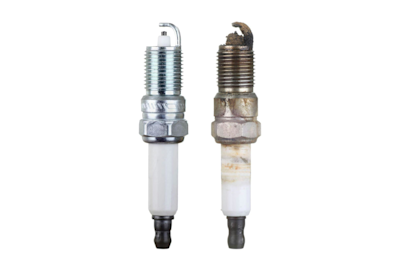
Credit: www.carfax.com
Frequently Asked Questions
What Noise Indicates Bad Spark Plugs In A Car?
A car with bad spark plugs often makes a sputtering or misfiring sound. You may hear popping or knocking noises. These sounds show incomplete combustion in the engine cylinders. Early detection helps prevent engine damage and maintain smooth performance.
How Do Bad Spark Plugs Affect Engine Noise?
Bad spark plugs cause uneven firing in the engine. This leads to rough idling and unusual engine noises. You might hear rattling or backfiring sounds. Fixing spark plugs restores normal engine operation and reduces noise significantly.
Can Bad Spark Plugs Cause Engine Knocking Sounds?
Yes, worn or dirty spark plugs can cause engine knocking. This happens when fuel doesn’t ignite properly inside the cylinder. The knocking noise signals inefficient combustion. Replacing spark plugs can eliminate the knocking and improve engine health.
Are Misfires A Sign Of Bad Spark Plugs?
Misfires often indicate bad spark plugs. When plugs fail, fuel-air mixture doesn’t ignite correctly. This causes jerking, hesitation, and engine misfires. Regular spark plug checks help avoid performance issues and noisy misfires.
Conclusion
Bad spark plugs cause rough engine sounds and poor car performance. You might hear popping, sputtering, or uneven noise from the engine. These sounds mean your car needs a spark plug check soon. Fixing spark plugs keeps your engine smooth and fuel efficient.
Don’t ignore strange noises—they help spot problems early. Regular maintenance saves money and avoids bigger repairs later. Pay attention to your car’s sounds for better driving. Good spark plugs make your car run quiet and strong.