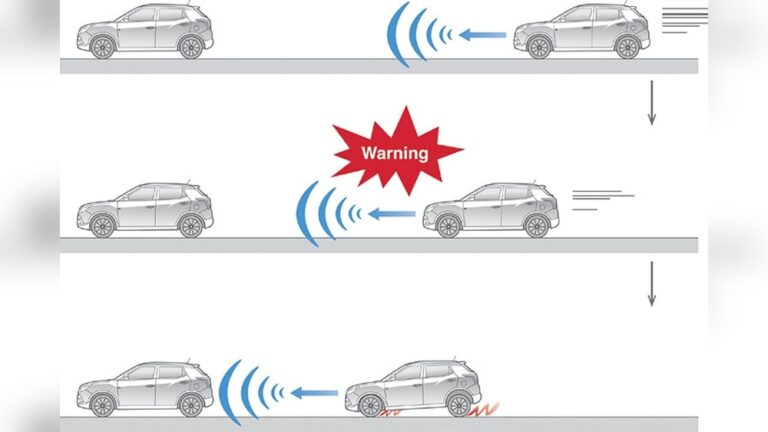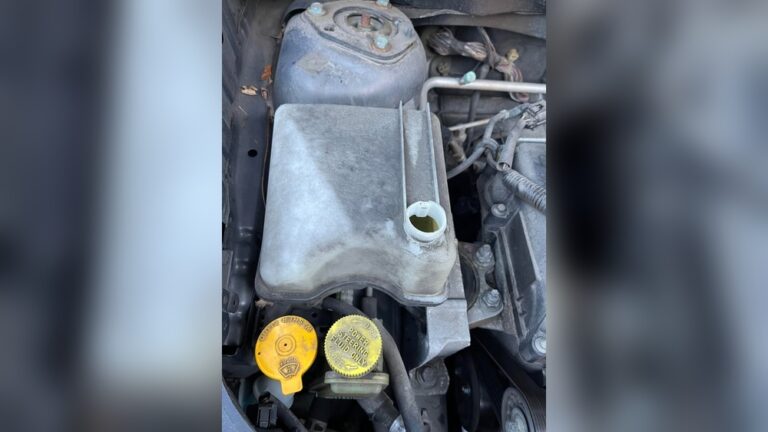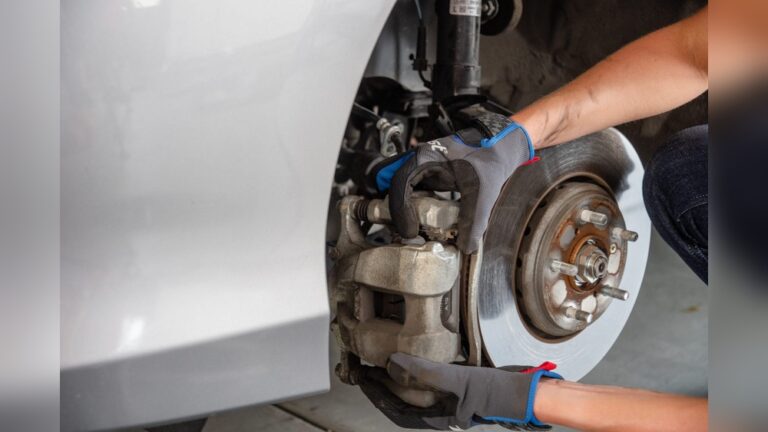

Have you ever wondered why your car’s brakes feel so responsive and easy to press? The secret lies in a small but powerful part called the brake booster.
Understanding what a brake booster is can help you appreciate how your car keeps you safe every time you hit the brakes. You’ll discover exactly what a brake booster does, why it’s essential for your vehicle, and how it works behind the scenes to make stopping your car smoother and safer.
Keep reading—you’ll never look at your brakes the same way again!
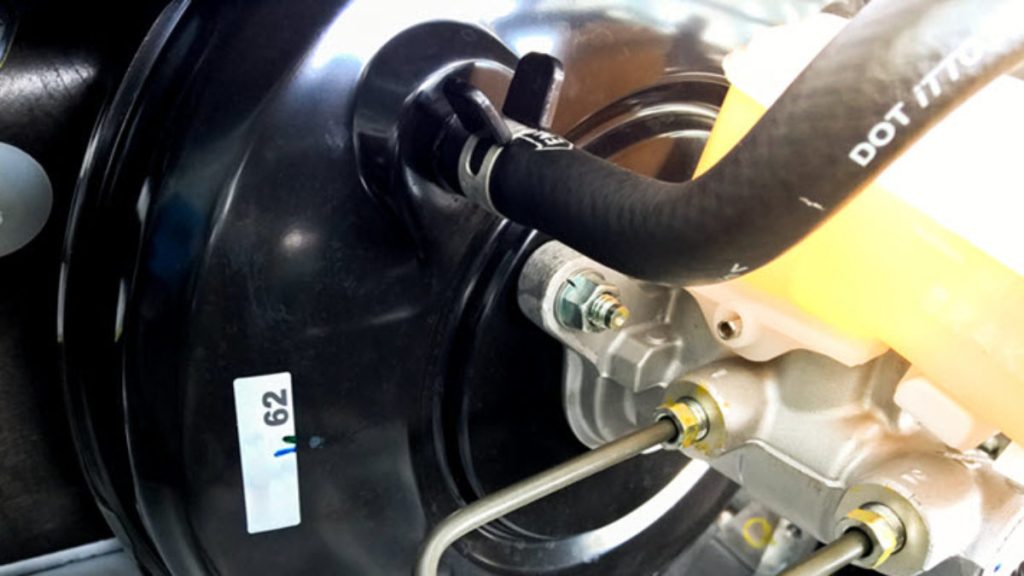
Credit: urbsgarage.com
Brake Booster Basics
The brake booster is a key part of a car’s braking system. It helps drivers stop the vehicle safely and with less effort. Without it, pressing the brake pedal would require much more force. Understanding its basics helps you know how your car stays safe on the road.
This section explains the brake booster’s role, how it works, and the different types available. Keep reading to learn the essentials of this important component.
Role In Vehicle Safety
The brake booster makes braking easier and quicker. It increases the force applied by the driver on the brake pedal. This extra power helps the car stop faster in emergencies. The booster ensures smoother braking and reduces the risk of accidents. It supports the driver’s control over the vehicle, especially in sudden stops.
How It Works
The brake booster uses vacuum pressure to boost pedal force. When the driver presses the brake pedal, the booster amplifies this force. It sends more pressure to the master cylinder. This pressure pushes brake fluid to the wheels. The wheels then slow down or stop the car. The process needs little effort from the driver but creates strong braking power.
Types Of Brake Boosters
Two main types of brake boosters exist: vacuum and hydraulic. Vacuum boosters use engine vacuum to create pressure. They are common in most gasoline cars. Hydraulic boosters use fluid pressure from the power steering system. These are often found in larger or diesel vehicles. Both types aim to help the driver brake safely and comfortably.
Components Of A Brake Booster
The brake booster is a key part of a car’s braking system. It helps make braking easier by using air pressure. The booster has several important parts. Each part plays a role in helping the brakes work smoothly and safely.
Vacuum Chamber
The vacuum chamber is a sealed space inside the booster. It uses air pressure to help push the brake pedal. When the engine runs, it creates a vacuum. This vacuum reduces the effort needed to press the brake pedal. It makes stopping the car easier and safer.
Diaphragm Function
The diaphragm is a flexible membrane inside the booster. It separates the vacuum chamber into two parts. When you press the brake pedal, the diaphragm moves. This movement helps increase the force sent to the brakes. The diaphragm is key to boosting the brake power.
Check Valve Importance
The check valve controls air flow in the booster. It lets air flow only one way. This keeps the vacuum inside the chamber steady. Without the check valve, the booster cannot work correctly. It ensures the brake booster is ready to help at all times.
Signs Of A Failing Brake Booster
The brake booster helps you stop your car with less force on the pedal. When it starts to fail, driving becomes harder and less safe. Knowing the signs of a failing brake booster can keep you safe on the road. Watch out for changes in how your brakes feel and sound.
Increased Pedal Effort
A strong brake booster makes pressing the brake pedal easy. If the pedal feels hard or stiff, the booster might be failing. You may need to push harder to stop the car. This extra effort is a clear sign of trouble in the brake system.
Hissing Noises
Listen for a hissing sound near the brake pedal. This noise often means air is leaking from the booster. The leak reduces the booster’s power to assist braking. Hissing sounds are a warning to check the brake booster soon.
Brake Performance Issues
Failing brake boosters can cause slow or weak braking. The car may not stop as quickly as before. You might feel the brakes are less responsive or uneven. These problems affect your safety and need immediate attention.

Credit: classicperform.com
Brake Booster Maintenance Tips
Maintaining your car’s brake booster is important for safe driving. The brake booster helps reduce the effort needed to press the brake pedal. Keeping it in good condition improves braking performance and safety. Simple checks and care can extend its life and prevent costly repairs.
Regular Inspections
Check the brake booster regularly for any signs of damage or wear. Look for cracks, dents, or leaks around the unit. Listen for unusual noises when pressing the brake pedal. Early detection of problems helps avoid brake failure and keeps you safe on the road.
Vacuum System Checks
The brake booster uses a vacuum to work properly. Inspect vacuum hoses for cracks, splits, or loose connections. Make sure the vacuum pump and check valve function correctly. A leak in the vacuum system can cause hard braking and reduce brake booster efficiency.
When To Replace
Replace the brake booster if you notice a hard brake pedal or reduced braking power. Also, look for hissing sounds when pressing the brake pedal. If the brake warning light is on, have a mechanic inspect the booster. Timely replacement ensures safe and reliable braking performance.
Installing And Testing A Brake Booster
Installing and testing a brake booster is an important task for car safety. The brake booster helps reduce the effort needed to press the brake pedal. Proper installation ensures the brakes work well and respond quickly. Testing after installation checks that everything functions correctly. This section explains how to install and test a brake booster step by step.
Installation Steps
Start by disconnecting the car battery to avoid electric shocks. Remove the old brake booster by detaching the vacuum hose and brake lines. Unscrew the mounting bolts that hold the booster in place. Carefully take out the old booster from the firewall. Place the new brake booster in the same position. Tighten the mounting bolts securely. Reconnect the vacuum hose and brake lines. Attach the brake pedal linkage to the booster. Check all connections for tightness before moving on.
Safety Precautions
Always wear safety gloves and goggles to protect yourself. Work in a well-ventilated area to avoid breathing harmful fumes. Use the correct tools to prevent damage or injury. Do not force any parts during installation. Make sure the car is on a flat surface and the parking brake is on. Keep flammable materials away from the work area. Double-check all connections for leaks or loose fittings before testing.
Post-installation Testing
Reconnect the car battery and start the engine. Press the brake pedal several times to build vacuum pressure. Listen for any hissing sounds that could indicate leaks. Check if the brake pedal feels firm and responds quickly. Test the brakes at low speed in a safe area. Watch for any unusual noises or delayed braking. If the brakes do not work properly, inspect the installation again. Proper testing confirms the brake booster works safely and effectively.

Credit: www.amazon.com
Brake Booster Vs. Other Brake Systems
Brake boosters play a key role in making braking easier and safer. They help drivers press the brake pedal with less effort. There are different types of brake systems, each with unique features. Understanding how brake boosters compare to other systems helps in knowing their importance in vehicles.
Hydraulic Boosters
Hydraulic boosters use fluid pressure to increase braking power. They connect to the power steering pump. This system helps push the brakes harder with less foot force. It works well in heavy vehicles that need strong brakes. Maintenance is needed to avoid fluid leaks. Hydraulic boosters add weight but provide strong braking help.
Electric Brake Boosters
Electric brake boosters use an electric motor to assist braking. They do not rely on engine vacuum or fluid pressure. This system is common in newer cars and hybrids. It reacts quickly and saves energy. Electric boosters work well with modern safety systems. They are lighter and easier to control than hydraulic types.
Pros And Cons
Hydraulic boosters offer powerful braking but add complexity and weight. They need regular checks for fluid and parts. Electric boosters provide fast response and less weight. They use less energy and fit modern cars better. However, electric boosters can be expensive to repair. Both systems improve safety and comfort in braking.
Frequently Asked Questions
What Does A Brake Booster Do In A Car?
A brake booster amplifies the force applied on the brake pedal. It makes braking easier and more efficient. This device uses vacuum pressure to reduce driver effort. It enhances safety by improving brake responsiveness. Most modern cars have brake boosters installed.
How Does A Brake Booster Work?
A brake booster uses engine vacuum to increase pedal force. When you press the brake, vacuum helps push the master cylinder. This action multiplies your foot pressure, making braking smoother. The booster reduces the effort needed to stop the car.
It ensures better control during braking.
What Are Signs Of A Faulty Brake Booster?
Common signs include a hard brake pedal and longer stopping distances. You may hear hissing noises when braking. The engine might stall at brake application. Reduced braking power is also a key symptom. If you notice these, get your brake booster checked.
Can A Brake Booster Fail Suddenly?
Yes, a brake booster can fail without warning. Vacuum leaks or diaphragm damage cause sudden failure. This leads to a hard brake pedal and poor braking. Regular maintenance helps prevent unexpected brake booster issues. Immediate repair is crucial for safe driving.
Conclusion
A brake booster helps make stopping your car easier and safer. It uses engine power to add force to your brakes. This means you press the pedal lightly but get strong braking. Without it, braking would need much more effort.
Knowing how it works helps you understand your car better. Keep an eye on its condition for safe driving. A well-maintained brake booster protects you and others on the road. Simple, yet important for every car’s brake system.