

Have you ever wondered what makes some cars feel more powerful and fun to drive? If you’ve noticed terms like “rear wheel drive” and felt curious about what they mean, you’re in the right place.
Rear wheel drive cars have a special way of delivering power that can change how your car handles on the road. Understanding this can help you make smarter choices when buying or driving a car. Keep reading, and you’ll discover why rear wheel drive might be the secret behind a smoother, more exciting ride.
Rear Wheel Drive Basics
Rear wheel drive cars have a unique way of moving. Their power goes to the back wheels, unlike other cars that use front or all wheels. This design affects how the car handles, drives, and feels on the road. Understanding the basics helps you see why many drivers prefer rear wheel drive for balance and control.
Many sports cars and trucks use rear wheel drive. It offers good weight distribution and strong traction when accelerating. This setup also makes steering lighter and more precise. Let’s explore how rear wheel drive works and the key parts involved.
How Rear Wheel Drive Works
In rear wheel drive cars, the engine sends power to the rear wheels only. The engine’s rotation moves the driveshaft, which runs under the car. The driveshaft turns the rear differential. This differential splits power between the two rear wheels. It lets the wheels turn at different speeds, especially in corners.
This system helps the car move forward smoothly. The front wheels focus on steering. The rear wheels focus on pushing the car ahead. This separation improves handling and performance.
Key Components Involved
The engine creates power for the car. The transmission controls power flow and gear changes. The driveshaft carries power from the transmission to the rear. The rear differential distributes power to the rear wheels. It also allows the wheels to rotate at different speeds.
Other parts include the rear axle and suspension. They keep the rear wheels stable and connected to the car. These components work together to make rear wheel drive effective and reliable.
Credit: www.carfax.com
Performance Benefits
Rear wheel drive cars offer clear performance benefits. They deliver power to the rear wheels, which improves how the car moves and handles. This setup helps drivers enjoy a smoother and more controlled ride.
Improved Acceleration
Power sent to the rear wheels boosts acceleration. The rear wheels push the car forward, reducing wheel spin. This means the car can start faster from a stop. Drivers feel a stronger, more confident launch on the road.
Better Weight Distribution
Rear wheel drive cars often have a balanced weight layout. The engine stays in the front, while the drive system moves to the rear. This spreads the weight evenly over the car. It improves stability and cornering ability, making driving safer and more fun.
Handling And Control
Rear wheel drive (RWD) cars offer unique handling and control benefits. These cars send power to the rear wheels, which affects how they respond on the road. Drivers often notice a different feel in steering and balance compared to front wheel drive vehicles.
This design helps with stability and allows more precise control during various driving conditions. The weight distribution usually favors the rear, improving traction and handling performance.
Cornering Advantages
RWD cars excel in cornering. Power delivery to the rear wheels helps the front wheels focus on steering. This separation improves grip and balance in turns.
During cornering, the rear wheels push the car forward while the front wheels guide the direction. This creates a smoother and more controlled turn. Drivers feel confident taking corners faster and with less effort.
Driving Dynamics
Rear wheel drive affects driving dynamics positively. It allows better weight transfer during acceleration and braking. This balance enhances the car’s stability and response.
RWD cars often provide a sportier driving experience. The setup encourages drivers to engage more with the vehicle, making driving more enjoyable. Precise control and feedback from the road help maintain better handling in various conditions.
Common Rear Wheel Drive Configurations
Rear wheel drive (RWD) cars have a special setup that sends power to the back wheels. This design affects how the car moves and handles. Different types of cars use rear wheel drive in various ways. Here are some common rear wheel drive configurations found in popular vehicles.
Sports Cars
Many sports cars use rear wheel drive for better control and balance. Power goes to the rear wheels, which helps with sharp turns and fast acceleration. This setup often makes the car feel more fun to drive. Sports cars like this can handle corners smoothly and keep good traction on dry roads.
Luxury Sedans
Luxury sedans use rear wheel drive to provide a smooth and quiet ride. The power to the back wheels improves comfort and stability. This setup also allows for better weight distribution, making the car feel more balanced. Many luxury brands prefer this design for its refined driving experience.
Trucks And Suvs
Trucks and SUVs use rear wheel drive to handle heavy loads and tough terrain. Sending power to the rear wheels gives these vehicles strong pulling power. It helps with towing and carrying weight. Some models add four-wheel drive for extra grip on rough or slippery roads.
Comparison With Other Drivetrains
Rear wheel drive cars have a unique way of sending power to the road. It is important to see how they compare with other common drivetrains. Each drivetrain offers different benefits and suits different driving needs. Understanding these differences helps you choose the right car for your lifestyle.
Front Wheel Drive
Front wheel drive cars send power to the front wheels only. This setup often makes cars lighter and more fuel efficient. It helps with better traction in wet or snowy roads. Front wheel drive is common in small and mid-size cars. It offers easier handling for everyday driving. Rear wheel drive cars, on the other hand, provide better balance and steering feel. They tend to perform well in sporty or heavy vehicles.
All Wheel Drive
All wheel drive sends power to all four wheels at once. This system improves grip on rough or slippery surfaces. It is great for off-road driving and bad weather conditions. All wheel drive cars can switch power between front and rear wheels. Rear wheel drive cars focus power on the back wheels only. This often leads to sharper handling and better acceleration. All wheel drive adds weight and complexity, which can reduce fuel economy. Rear wheel drive keeps the car simpler and lighter.
Challenges Of Rear Wheel Drive
Rear wheel drive cars offer a unique driving experience, but they come with certain challenges. These challenges affect daily use and vehicle care. Understanding them helps drivers handle their cars better and avoid problems.
Traction Issues In Poor Conditions
Rear wheel drive cars can struggle on wet or icy roads. The back wheels push the car forward, but they have less weight over them. This reduces grip and makes slipping more likely. Drivers must be careful when accelerating or turning in bad weather. Using winter tires can improve traction and safety.
Maintenance Considerations
Rear wheel drive systems have more moving parts than front wheel drive cars. Parts like the driveshaft, differential, and rear axle need regular checks. These components may wear out faster and cost more to fix. Keeping up with oil changes and inspections prevents damage. Proper maintenance keeps the car running smoothly for longer.
Choosing A Rear Wheel Drive Car
Choosing a rear wheel drive car means understanding how this setup affects driving. Rear wheel drive sends power to the back wheels. This design often improves handling and balance. It suits drivers who want better control on dry roads. It also offers a sportier feel compared to front wheel drive cars.
Many drivers prefer rear wheel drive for its driving dynamics. The weight distribution helps with cornering and acceleration. Rear wheel drive cars can also handle more power. This is why many sports cars and luxury models use it.
Who Benefits Most
Rear wheel drive suits drivers who enjoy driving. Sporty drivers find it fun and responsive. People in dry climates also benefit because the traction is better on dry roads. It works well for those who want better balance in their car. Drivers who need to tow heavy loads may prefer rear wheel drive. This setup can handle weight better than front wheel drive.
Popular Models To Consider
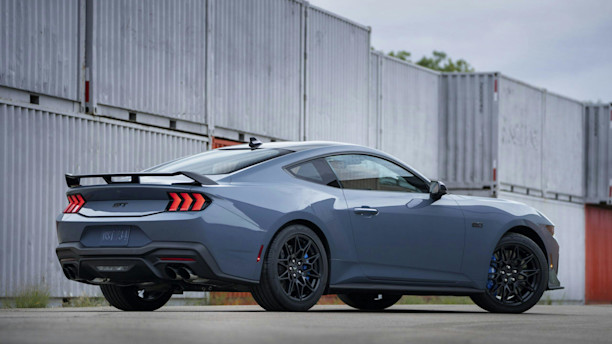
Many popular cars use rear wheel drive. The BMW 3 Series is well-known for its rear wheel drive system. The Ford Mustang offers strong rear wheel drive performance. The Mercedes-Benz C-Class combines luxury with rear wheel drive. The Toyota GR Supra is another sporty rear wheel drive car. These models show the range of rear wheel drive cars available today.

Credit: www.youtube.com

Credit: www.carfax.com
Frequently Asked Questions
What Are Rear Wheel Drive Cars?
Rear wheel drive cars deliver engine power to the rear wheels. This setup improves handling and acceleration. It’s common in sports and luxury vehicles for balanced weight distribution and better driving dynamics.
How Do Rear Wheel Drive Cars Differ From Front Wheel Drive?
Rear wheel drive cars send power to the back wheels, while front wheel drive powers the front wheels. Rear wheel drive offers better handling and acceleration, especially in performance cars, but may be less efficient in poor weather conditions compared to front wheel drive.
What Are The Benefits Of Rear Wheel Drive Cars?
Rear wheel drive cars provide improved handling, better balance, and enhanced acceleration. They offer superior traction during acceleration and are preferred for sporty and high-performance driving experiences. This setup also allows for easier steering and less torque steer.
Are Rear Wheel Drive Cars Good For Snowy Conditions?
Rear wheel drive cars are generally less effective in snow compared to all-wheel or front wheel drive cars. They can lose traction more easily on slippery surfaces. Using winter tires can improve performance, but caution is advised in heavy snow or ice.
Conclusion
Rear wheel drive cars offer a unique driving experience. They provide better balance and handling on the road. Many drivers enjoy the smooth control they deliver. These cars are common in sports and luxury vehicles. They also handle well in dry conditions.
Knowing their benefits helps you choose the right car. Consider your driving needs and road types. Rear wheel drive might be the perfect fit for you. Understanding this can make car buying easier. It’s all about finding what suits your style best.