
Have you ever felt your car shake when you press the brakes? It’s a jarring experience that can make you question your safety on the road.
If your car shudders or vibrates while braking, you’re not alone—and it’s a sign you shouldn’t ignore. Understanding why this happens can save you from costly repairs and keep you driving smoothly. Keep reading to discover the common causes and what you can do to fix this unsettling problem.
Your safety and peace of mind depend on it.
Credit: coxauto.com.au
Common Causes Of Car Shaking
Car shaking during braking can signal several common problems. Understanding these issues helps keep driving safe. Shaking often means parts need attention or replacement.
Here are the main causes that lead to car shaking when applying brakes.
Warped Brake Rotors
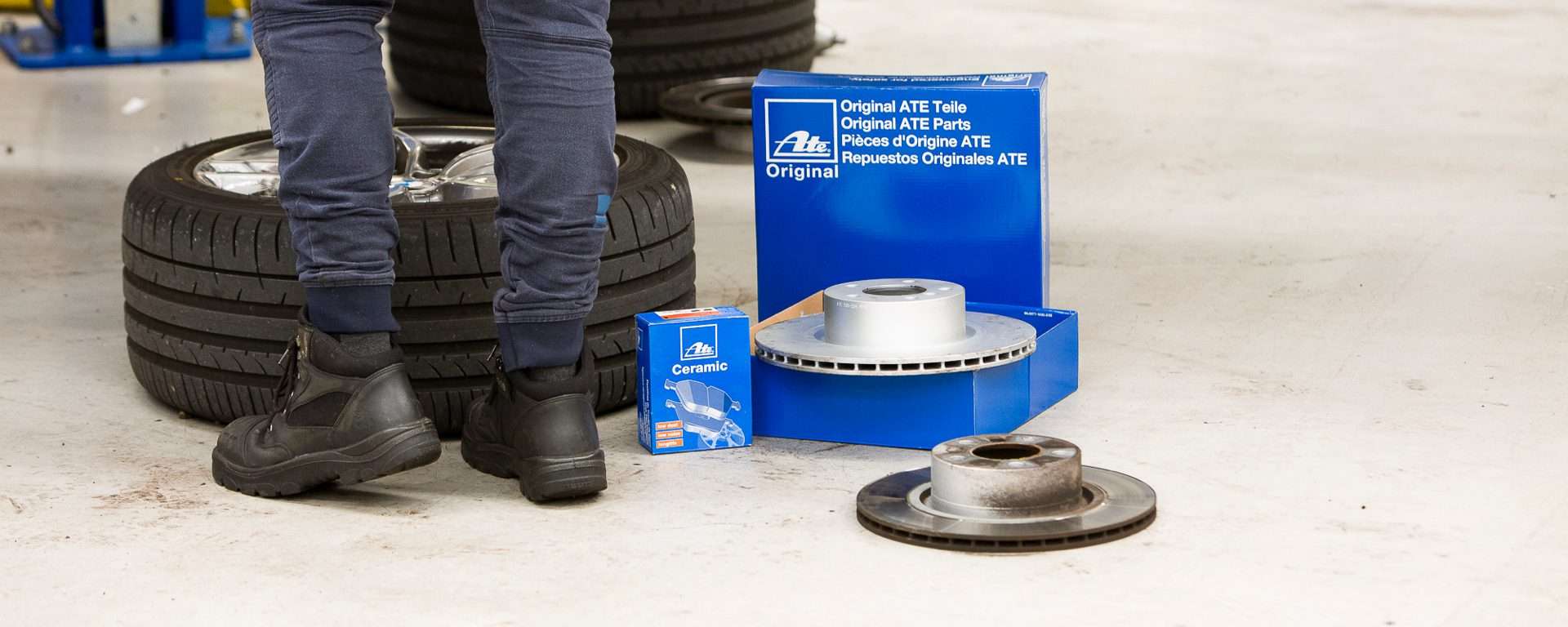
Brake rotors can warp from heat and wear. Warped rotors cause the brake pads to hit unevenly. This creates vibration felt in the steering wheel or brake pedal. Rotors need resurfacing or replacement to fix this.
Worn Brake Pads
Brake pads wear down with use. Thin or uneven pads reduce braking power. They cause shaking because they do not grip the rotor smoothly. Changing worn brake pads stops the vibration and improves safety.
Unbalanced Tires
Tires that are not balanced create shaking at certain speeds. The shaking may increase when braking due to weight shift. Balancing tires redistributes weight evenly around the wheel. This prevents vibrations and smooths the ride.
Suspension Issues
Suspension parts support the car and absorb road shocks. Worn or damaged suspension can cause shaking during braking. Loose or broken components need inspection and repair. Fixing suspension improves control and stops the vibration.
Brake Caliper Problems
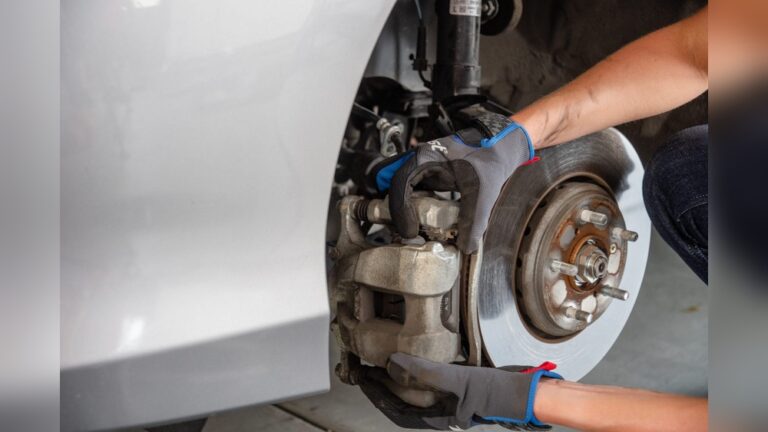
Brake calipers press the pads against the rotors. Sticking or faulty calipers cause uneven braking force. This leads to shaking and pulling to one side. Caliper repair or replacement resolves the problem and smooths braking.
Symptoms To Watch For
Car shaking during braking is a clear sign of a problem. Noticing symptoms early can prevent bigger issues. Watch for specific signs to identify brake problems fast. These symptoms can affect your safety on the road.
Understanding these symptoms helps you explain the issue to a mechanic better. It also guides you in deciding when to get your brakes checked.
Vibrations In Steering Wheel
Feel the steering wheel shake while pressing the brake? This usually means the brake rotors are uneven. Warped rotors cause vibrations that pass through the wheel. The shaking often increases with speed. This symptom is a common warning of brake trouble.
Shaking At Low Speeds
Does your car shake even at slow speeds during braking? This can signal worn brake pads or damaged rotors. Low-speed shaking points to more serious brake wear. It needs quick attention to avoid further damage. Ignoring this can reduce braking control.
Brake Pedal Pulsation
Pulsing or bouncing in the brake pedal means uneven rotor surfaces. The pedal feels like it moves up and down instead of steady pressure. This pulsation can make stopping unsafe. It often gets worse over time. Watch for this sign to keep brakes safe.
Noise During Braking
Squealing, grinding, or scraping sounds when braking are warning signs. These noises mean brake pads may be worn out or parts are loose. Noise often comes before shaking starts. Listening to brake sounds helps catch issues early. Don’t ignore strange noises while braking.
Simple Fixes For Brake-related Shaking
Brake-related shaking can make driving unsafe and uncomfortable. Many common problems cause the car to shake when applying brakes. Fixes often involve simple repairs or part replacements. Most fixes do not require expensive tools or complex skills. Understanding these solutions helps keep your car smooth and safe on the road.
Resurfacing Or Replacing Rotors
Rotors wear unevenly over time. This causes vibrations during braking. Resurfacing smooths the rotor surface to stop shaking. If rotors are too thin or damaged, replacement is best. New rotors restore smooth brake contact and reduce shaking.
Changing Brake Pads
Worn brake pads cause uneven pressure on rotors. This leads to shaking and noise. Changing brake pads improves grip and braking power. Choose quality pads to ensure even wear and longer life.
Tire Balancing And Alignment
Imbalanced tires can cause shaking that feels like brake issues. Proper tire balancing reduces vibrations at all speeds. Wheel alignment ensures tires meet the road correctly. Both help prevent shaking during braking and regular driving.
Inspecting And Repairing Suspension
Suspension parts affect how the car handles braking forces. Worn shocks or bushings cause unstable braking and shaking. Inspect suspension regularly and replace worn parts. A healthy suspension keeps the car steady and smooth.
Lubricating Or Replacing Calipers
Sticky calipers can cause uneven brake pad pressure. This creates shaking and uneven pad wear. Lubricating caliper slides and pins allows smooth movement. Replace calipers if they are damaged or corroded. Proper caliper function ensures balanced braking and less shaking.

Credit: www.wikihow.com
When To Seek Professional Help
Car shaking during braking can signal serious issues. Knowing when to get help saves time and money. Some signs mean you should visit a mechanic soon. Ignoring these signs may worsen the problem. This section explains key moments to seek professional help.
Persistent Shaking After Repairs
Car still shakes after brake repairs? This is not normal. It means the problem was not fixed properly. The brake system or tires might still have issues. Return to the mechanic for a full check. Do not keep driving with shaking brakes. It can be unsafe and cause more damage.
Unusual Brake Noises
Strange sounds during braking need attention. Grinding, squealing, or scraping noises show brake wear. These sounds mean parts may be damaged or worn out. A quick inspection can prevent brake failure. Have a professional check the brake pads and rotors. Quiet brakes are a sign of safety.
Warning Lights On Dashboard
Brake warning lights are a clear alert. They show a problem with the brake system. The light may indicate low brake fluid or worn pads. Ignoring dashboard warnings risks brake failure. Stop driving and get the car checked. Professionals use special tools to find the exact issue.
Preventive Maintenance Tips
Preventive maintenance helps avoid car shaking when braking. It keeps brakes working well. Regular care makes driving safer and smoother. Small checks stop big problems later.
Regular Brake Inspections
Check brake pads and discs often. Worn pads cause vibrations and noise. Inspect for cracks or rust on discs. Replace parts before they fail. A quick brake check saves repair costs.
Timely Tire Maintenance
Keep tires balanced and aligned. Uneven tires create shaking during braking. Rotate tires regularly for even wear. Check tire pressure monthly. Proper tires improve brake performance.
Keeping Suspension In Check
Inspect suspension parts like shocks and struts. Damaged suspension leads to brake shaking. Tighten loose bolts and replace worn parts. Good suspension supports smooth braking. It improves vehicle control and comfort.
Driving Habits To Extend Brake Life
Brake gently and early to reduce wear. Avoid sudden stops when possible. Use engine braking on slopes. Smooth driving saves brake parts. It lowers repair bills and keeps the car steady.

Credit: www.reddit.com
Frequently Asked Questions
Why Does My Car Shake When Applying Brakes?
Car shaking during braking often indicates warped brake rotors or uneven brake pad wear. It causes vibration felt through the steering wheel or brake pedal, signaling the need for brake system inspection and repair.
Can Worn Brake Pads Cause Car Shaking?
Yes, worn brake pads can cause uneven contact with rotors, leading to vibrations. Replacing brake pads promptly ensures smooth braking and prevents further damage.
How Do Warped Rotors Affect Braking?
Warped rotors cause the brake pads to make inconsistent contact, resulting in shaking. Rotors need resurfacing or replacement to restore smooth and safe braking performance.
Is Wheel Alignment Related To Brake Shaking?
Poor wheel alignment can cause uneven tire wear and vibrations but usually doesn’t cause shaking only when braking. However, it’s good to check alignment to improve overall vehicle stability.
Conclusion
Car shaking during braking signals a problem that needs fixing. Ignoring it can cause more damage and unsafe driving. Check your brake system regularly to keep your car smooth and safe. Worn brake pads, warped rotors, or tire issues often cause shaking.
Taking quick action saves money and protects you on the road. Stay alert to how your car feels when braking. Safe driving starts with a well-maintained brake system. Don’t wait until small shakes turn into big problems.