
Have you ever turned your key, only to find your car won’t start? One common but often overlooked cause could be oil on your spark plugs.
If you’re wondering how something as simple as oil can stop your engine from firing up, you’re not alone. Understanding this issue could save you time, money, and frustration. Keep reading to discover why oil on spark plugs might be the hidden culprit behind your car troubles—and what you can do about it.

Credit: www.reddit.com
How Spark Plugs Work
Spark plugs are small but vital parts of your car’s engine. They create a spark that lights the fuel-air mix inside the engine. This spark starts the engine’s power cycle. Without it, the engine won’t run.
Each spark plug sits in the engine’s cylinder head. It bridges the gap between the ignition system and the engine. This connection allows the spark plug to ignite the fuel mixture at the right moment.
Role In Engine Ignition
The spark plug’s main job is to create a spark. This spark ignites the compressed fuel and air in the cylinder. The burning fuel pushes the piston down. This action generates power to move the car.
The spark must be strong and timely. A weak or late spark can cause poor engine performance. In some cases, the engine may not start at all.
Normal Spark Plug Condition
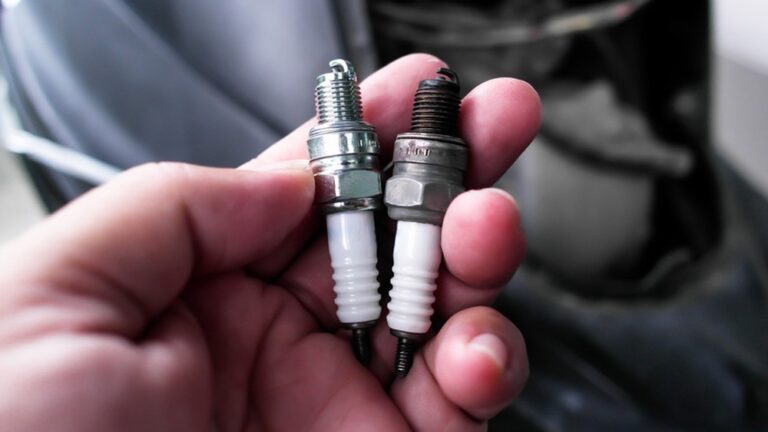
A healthy spark plug has clean, light-colored electrodes. It shows little wear or damage. The gap between electrodes is just right for a strong spark.
When oil covers the spark plug, it can stop the spark. This leads to starting problems. Clean and well-maintained spark plugs keep the engine running smoothly.
Causes Of Oil On Spark Plugs
Oil on spark plugs can stop a car from starting. Understanding why oil gets on spark plugs helps find the problem. Several engine parts can cause oil to leak into the spark plug area. These parts wear out or get damaged over time.
Below are common causes that lead to oil on spark plugs. Knowing these can help in fixing the issue faster.
Worn Valve Seals
Valve seals keep oil from entering the combustion chamber. When these seals wear out, oil leaks past them. This oil reaches the spark plugs and coats them. Worn valve seals often happen in older cars or those with high mileage.
Damaged Piston Rings
Piston rings seal the gap between the piston and cylinder wall. Damaged or broken rings allow oil to slip into the combustion chamber. This oil then fouls the spark plugs. Bad piston rings can also reduce engine power and cause smoke.
Faulty Cylinder Head Gasket
The cylinder head gasket seals the engine block and cylinder head. A faulty gasket can let oil enter the spark plug wells. This causes oil build-up on the spark plugs. A bad gasket often leads to engine overheating and loss of compression.
Effects Of Oil On Spark Plugs
Oil on spark plugs can cause serious problems for your car’s engine. It affects how well the spark plugs work. Spark plugs need to be clean to create sparks that ignite the fuel. Oil fouling makes this difficult. This can lead to poor engine performance and starting troubles.
Impact On Spark Generation
Oil coats the spark plug’s tip and insulator. This layer stops the spark from jumping the gap. Without a proper spark, fuel cannot ignite. The engine may misfire or run rough. Spark generation is crucial for engine power and smooth running.
Misfires And Engine Performance
Oil fouled spark plugs cause misfires. Misfires happen when fuel does not burn properly. This leads to less power and rough idling. The engine may hesitate or stall during driving. Fuel efficiency drops, causing more pollution and fuel use.
Starting Issues
Oil on spark plugs can make starting the car hard. The spark plugs fail to ignite the fuel-air mix. The engine may crank but not start. Cold starts become difficult and frustrating. Repeated attempts can drain the battery quickly.

Credit: www.reddit.com
Diagnosing Oil On Spark Plugs
Diagnosing oil on spark plugs is important to understand car starting problems. Oil on spark plugs can stop the engine from firing correctly. Finding the cause helps fix the issue fast. This section shows how to check spark plugs for oil and signs of trouble.
Visual Inspection
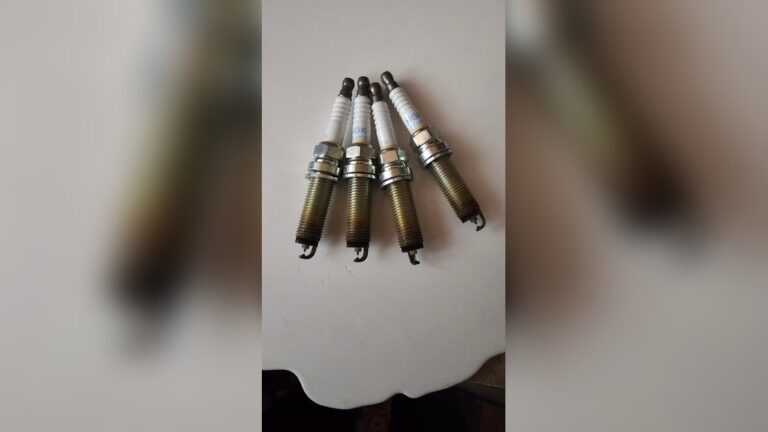
Remove the spark plugs carefully. Look closely at the tip and threads. Oil on the plug appears wet and dark. It may cover the electrode or insulator. Clean plugs should look dry and light-colored. Heavy oil means a seal or gasket may leak. Check all plugs for consistent signs.
Engine Performance Symptoms
The engine may misfire or run rough. Starting the car can take longer or fail. You might hear unusual sounds or see smoke. Fuel efficiency can drop suddenly. These symptoms hint at spark plug oil problems. Note when symptoms happen: cold start or during driving.
Using Diagnostic Tools
A code reader helps find engine trouble codes. It shows misfire or ignition faults linked to plugs. Compression testers check cylinder pressure for leaks. A borescope camera inspects inside the engine. These tools give clear proof of oil leaks. Use them to confirm your visual findings.
Fixing Oil Contamination
Fixing oil contamination on spark plugs is important for a car’s engine to work well. Oil on spark plugs can stop the engine from starting. Cleaning or replacing the spark plugs can solve this issue fast. Also, repairing engine parts that cause oil leaks helps prevent future problems. Simple maintenance steps keep the engine clean and running smoothly.
Cleaning Or Replacing Spark Plugs
Remove the spark plugs carefully to check for oil. Use a clean cloth or spark plug cleaner to wipe off the oil. If the plugs are too dirty or damaged, replace them with new ones. New spark plugs give better sparks and help the engine start easily. Always use the right type of spark plugs for your car model.
Repairing Engine Components
Oil leaks often come from worn gaskets or seals. Check the valve cover gasket and spark plug tube seals for damage. Replace any broken or worn parts to stop oil from reaching the plugs. Fixing these parts keeps oil inside the engine. This stops oil contamination and keeps the engine healthy.
Preventive Maintenance Tips
Regularly check your engine for oil leaks or dirt. Change the engine oil and oil filter on time. Keep the spark plugs clean and inspect them every few months. Avoid driving with low oil levels. Early checks catch problems before they get worse. Simple care helps your car start without trouble.
When To See A Mechanic
Noticing oil on spark plugs can be worrying. It might cause your car not to start. Knowing when to see a mechanic is very important. Early action can prevent bigger problems.
Signs Of Serious Engine Problems
Oil on spark plugs may signal more than just dirt. Watch for rough idling, poor acceleration, or strange noises. Smoke from the exhaust or a strong oil smell also warns of trouble. These signs mean the engine needs quick attention.
Cost Considerations
Ignoring oil on spark plugs can lead to costly repairs. Small fixes cost less than replacing major parts later. A mechanic can spot issues early, saving money. Repair costs vary, but acting fast helps keep expenses low.
Professional Diagnosis Benefits
Mechanics have tools to check spark plugs and engine health. They find hidden problems that are hard to see. Experts provide accurate advice on repairs or replacements. Their work ensures your car runs smoothly and safely.

Credit: www.reddit.com
Frequently Asked Questions
Can Oil On Spark Plugs Cause Engine Starting Issues?
Yes, oil on spark plugs can prevent the engine from starting. Oil disrupts the spark needed for ignition. This causes misfires or no ignition at all, leading to starting problems.
How Does Oil Reach The Spark Plugs?
Oil can reach spark plugs due to worn valve seals or piston rings. This oil leaks into the combustion chamber. It contaminates the spark plugs, affecting their performance and causing fouling.
Can Cleaning Oil Off Spark Plugs Fix Starting Problems?
Cleaning oil off spark plugs may temporarily improve starting. However, underlying engine issues causing oil leaks must be repaired. Otherwise, the problem will recur, and the car may fail to start again.
What Are Signs Of Oil On Spark Plugs?
Signs include rough idling, engine misfires, poor fuel economy, and hard starting. Visual inspection reveals wet, oily spark plugs. These symptoms indicate oil contamination affecting spark plug function.
Conclusion
Oil on spark plugs can stop your car from starting. It blocks the spark needed for ignition. Cleaning or replacing the plugs often fixes the issue. Regular car checks help spot problems early. Ignoring oil on spark plugs may cause bigger engine troubles.
Keep your engine parts clean and dry for best performance. A small problem now can save you from costly repairs later. Stay aware and maintain your car well to avoid start-up headaches.